Lauri Koskensalo
Head of Growth
6
min read
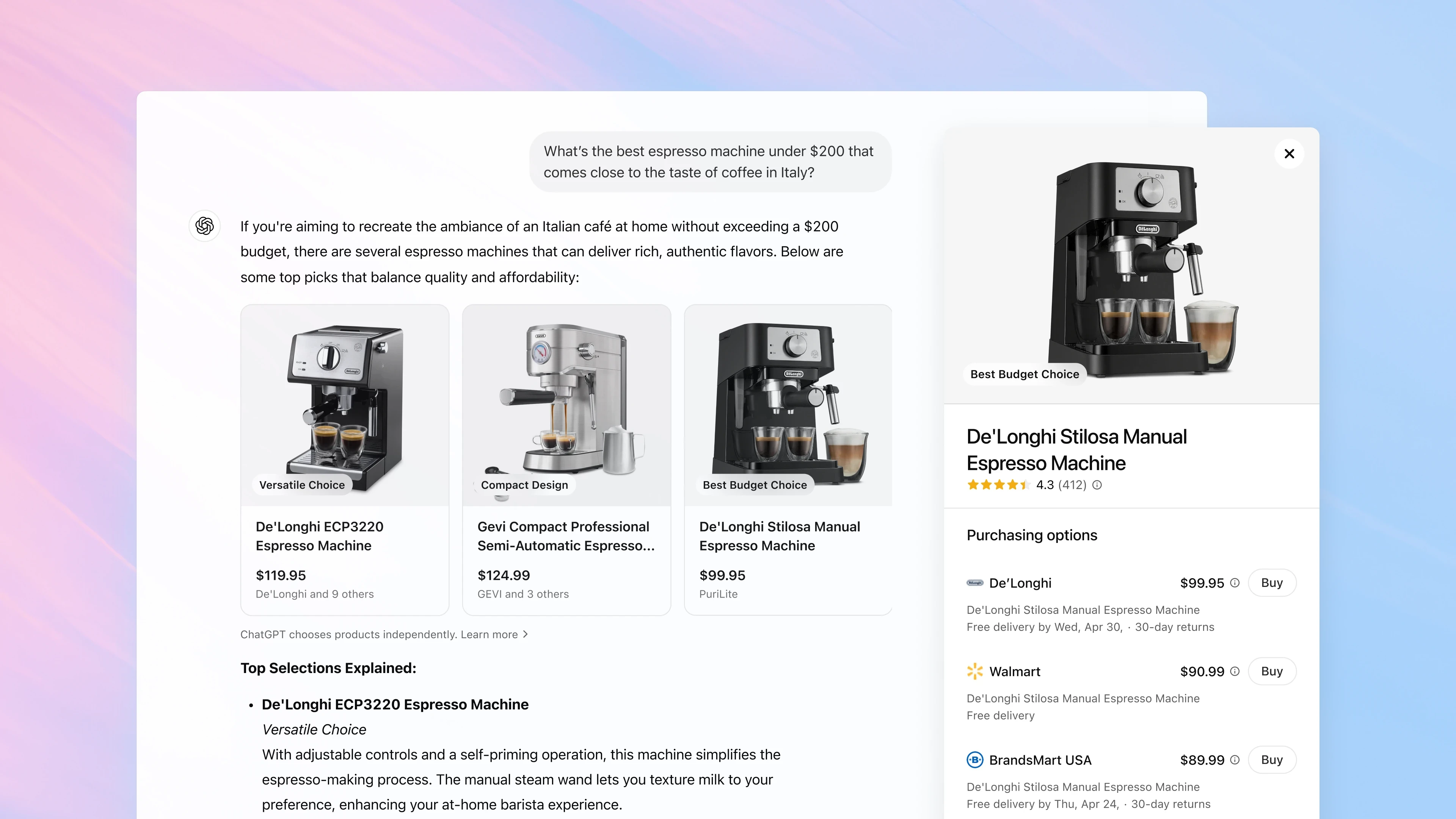
Much of today’s B2B commerce conversation orbits around the next generative AI application or clever automation feature. But for organizations aiming to realize safe, scalable agentic commerce, the ability for AI agents to reliably support, and increasingly execute, core workflows, the question is not just which tool to adopt, but how your underlying business architecture is designed.
True AI commerce is an operating model, not an add-on. It depends on foundational layers: structured product, customer, and pricing data; mapped and governed workflows; and robust integration between ERP, PIM, CRM, and digital commerce platforms. Without these elements, even the best AI agent cannot operate safely, or extend automation across markets, products, and channels.
Leaders in agentic commerce start by clarifying their architecture and governance model, enabling later, stepwise automation. This architecture-centric approach delivers consistency, reduces risk, and drives real business scale, distinguishing organizations able to scale automation from those stuck in pilot mode.
Structured Data: The Non-Negotiable Foundation
Workflow Governance: The Bridge to Safe Automation
AI agents can only deliver commercial value if they operate within transparent, rule-based workflows. This means not just automating tasks, but doing so with clear boundaries, approval checkpoints, and human accountability at every stage. Without this, the risk of errors, compliance violations, or loss of buyer trust grows exponentially.
Organizations should map their core sales, quoting, product approval, and pricing workflows end-to-end, clarifying which decisions and actions can be safely automated, which must remain under review, and where AI assistance is appropriate. Role-based permissions, automated audit trails, and integrated approvals all become part of a commerce-ready architecture. This level of governance is what enables safe, incremental automation, allowing agentic commerce to scale as teams gain confidence, not just technology.
Composable, Connected Systems Eliminate Silos
Incremental Automation: The Path to Agentic Readiness
Agentic commerce is not a big-bang implementation. Leading organizations progress in deliberate steps. First, ensure data quality and workflow mapping. Next, introduce automation in repeatable, well-governed processes, such as product data enrichments, B2B quoting, or order validation, where rules and exceptions are clear. Only after these foundations prove reliable should agentic automation extend to higher-value, cross-functional, or customer-facing processes.
A practical, incremental approach enables both teams and systems to adapt. With each new step, monitoring and human review remain in place to build trust and identify improvements. Platforms like AI Commerce Cloud support this journey with capabilities for centralized governance, permissioned automation, and guided agent interventions at every stage.
Operational Principles and Change Management for Sustainable Adoption
Take the Next Step: Diagnose Your Architecture Readiness
Sources
What is agentic commerce?
Why is structured product data crucial for AI commerce?
How does workflow governance contribute to safe automation?
What does a composable commerce foundation mean?
How can organizations get started with agentic commerce?
Table of contents
You might also like











Talk to our experts