Lauri Koskensalo
Head of Growth
5
min read
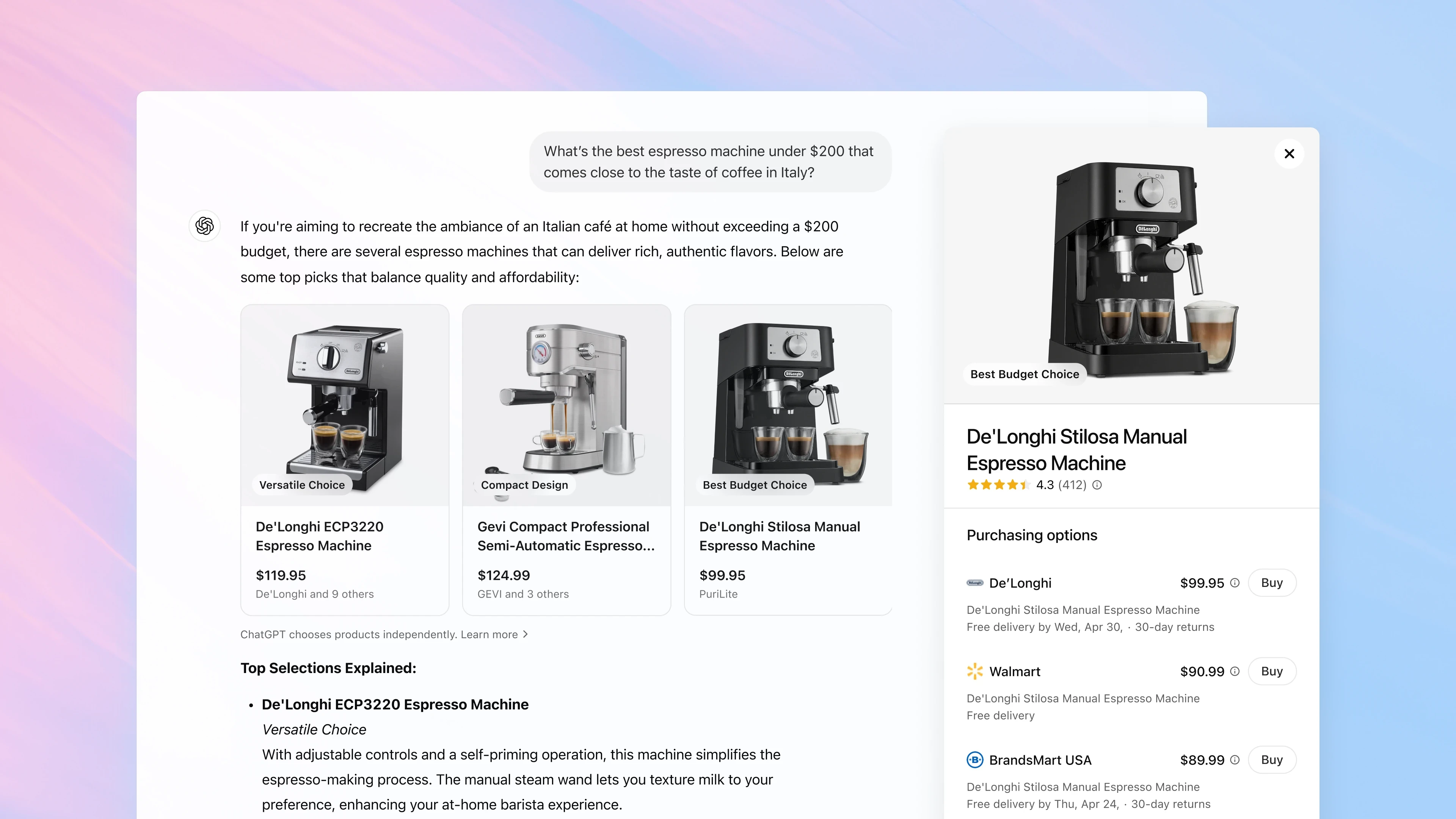
B2B digital commerce is undergoing a transformation fueled by next-generation AI capabilities. Among the emerging forces are collaborative AI agents—modular, autonomous software units that can communicate and hand off tasks between specialized peers. This evolution is fundamentally changing how enterprises manage product data, automate workflows, and deliver tailored buyer experiences. Unlike the first wave of AI, which was limited to predictive analytics or simple chatbots, agentic commerce focuses on orchestrating sophisticated, role-specific AI agents across the end-to-end buyer journey. For B2B teams, this means the ability to streamline everything from complex product discovery to customer-specific pricing and order fulfillment, ultimately reducing friction and increasing efficiency at every stage.
Understanding Agent-to-Agent (A2A) Protocols
The backbone of truly collaborative AI commerce lies in protocols such as Agent-to-Agent (A2A). According to Google’s developer blog, A2A frameworks empower autonomous agents to securely work together, hand off complex tasks, and break down rigid silos traditionally shaped by APIs. In B2B ecommerce, this modularity enables agents—each designed for a distinct function like personalized product recommendation, semantic product data mapping, or price negotiation—to collaborate transparently while preserving data privacy and preventing context pollution. For digital commerce leaders, the implementation of A2A unlocks flexible automation that can quickly adapt to evolving business processes and technology stacks, ensuring future-proof scalability.
Orchestration and Secure Automation with AI Agent Ecosystems
The promise of collaborative agents is realized when multiple, independently managed AI services work together without risking data leakage or system complexity. An orchestrator agent can securely delegate product search, inventory reconciliation, and customer service queries to specialized agents, each leveraging advanced AI models such as those offered by Mistral AI or AWS Bedrock. The ecosystem approach not only enables organizations to pick best-of-breed solutions for each domain, but also makes it easier to audit processes, enforce regulatory compliance, and rapidly integrate new capabilities. Enterprises can reuse, upgrade, or even replace agents independently, optimizing their B2B commerce platforms with minimal disruption.
Enhancing Product Discovery, Pricing, and Personalization
Modern B2B buyers expect hyper-relevant search results, dynamic pricing, and shopping experiences tailored to their specific roles and contracts. Collaborative AI agents, working in concert, can connect structured product data with semantic search, recommendation systems, and customer-specific promotions. By delegating responsibilities to the most capable agents—one for semantic enrichment, another for contract-aware pricing—organizations achieve superior buyer journeys with deep automation. Platforms leveraging A2A agent ecosystems are uniquely positioned to offer differentiators such as lightning-fast vector search, seamless quote-to-cart flows, and even self-service onboarding powered by AI, laying the foundation for measurable revenue uplift.
Deploying a Production-Ready Agentic Commerce Stack
Leading cloud providers like AWS have demonstrated practical ways to implement and scale agent-driven ecommerce platforms. AWS’s integration of Bedrock AgentCore with Mistral AI Studio offers a blueprint: start with robust authentication, leverage composable microservices for search, order, and fulfillment, and connect each function via secure agent connectors. This approach ensures that as new commerce features—like AI-powered product reviews or automated returns—come online, they can be deployed as standalone agents that integrate seamlessly into the overall stack. Teams focusing on data governance and automation strategy can now experiment, optimize, and scale faster than ever before while reducing risk.
Looking Ahead: Modular Commerce and the Business Advantage
With B2B buyer expectations rising, the old model of static, monolithic commerce stacks no longer suffices. Adopting agentic AI and A2A protocols empowers organizations with real modularity—turning product data, personalization, pricing, and commerce automation into interchangeable building blocks. As the agent ecosystem matures, leaders in B2B digital commerce will leverage these technologies not only for efficiency, but to quickly adapt to new markets, business models, and compliance requirements. Platforms like AI Commerce Cloud are at the forefront, enabling teams to architect their commerce workflows with unprecedented flexibility and business agility.
Sources
What are collaborative AI agents and how do they impact B2B ecommerce?
How does the Agent-to-Agent (A2A) protocol benefit large-scale ecommerce operations?
Can enterprise teams deploy agentic commerce without overhauling their entire tech stack?
What are some best practices for deploying a production-ready agentic commerce server?
How can AI Commerce Cloud support B2B teams in adopting agentic commerce?
Table of contents
You might also like










Talk to our experts