Lauri Koskensalo
Head of Growth
5
min read
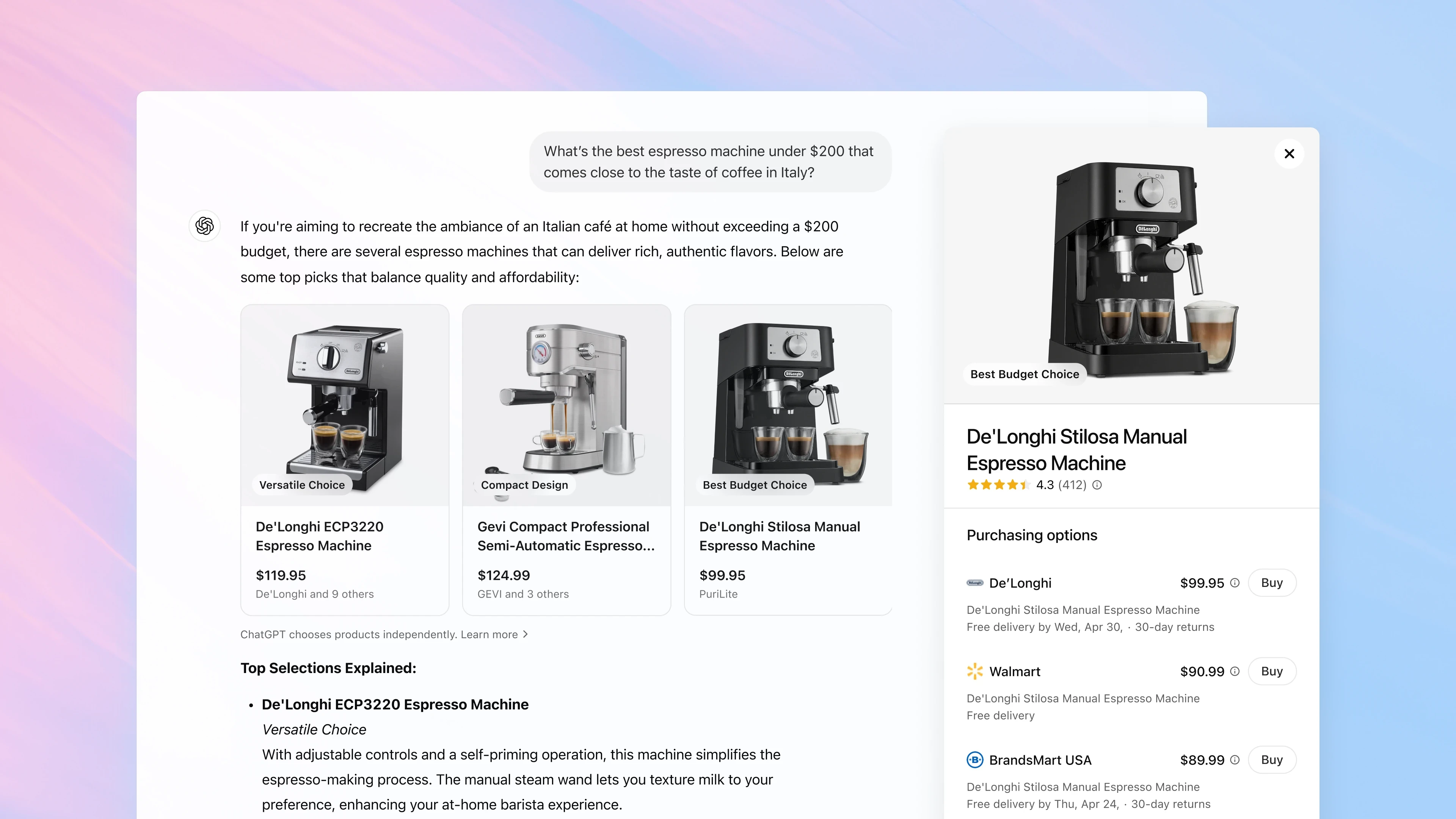
In 2026, B2B commerce teams are confronting a fundamental shift: AI-native personalization is no longer optional, it’s the operational heart of modern digital sales. Market leaders treat recommendation engines, intelligent product discovery, and automated workflows as essential revenue infrastructure. Recent industry analysis points to a convergence: B2B buyers expect the same fast, relevant, and context-aware experiences they encounter in consumer retail. As automation sweeps away manual bottlenecks, organizations with structured product data and unified workflows can deliver hyper-relevant buying journeys at scale. The strategic category is clear: personalization, powered by enterprise data and AI, stands as the competitive baseline, not a side project or marketing overlay, but the very backbone of digital commerce growth.
2026 Benchmarks: Personalization Drives Real, Measurable Revenue
Up-to-date market benchmarks from credible industry observers show a stark gap between personalizing laggards and revenue leaders. Companies systematically deploying AI-native personalization across key B2B workflows are seeing order values rise, repeat business increase, and pipeline velocity accelerate. Practical Ecommerce and Digital Commerce 360 highlight how AI recommendations, semantic search, and multi-channel automation now underpin top-tier performance. Critically, these effects aren’t limited to website widgets: value accrues from orchestration across pricing, quoting, and post-purchase experiences. The bottom line for B2B brands is clear, personalization is the most consistent lever to convert digital buyers and retain accounts in the face of complex, technical sales environments.
Why B2B Has Lagged, And Why That’s Changing Rapidly
For years, B2B personalization lagged behind retail due to fragmented data, layered buying roles, and bespoke pricing. But these challenges now create a new advantage for B2B teams willing to invest in structured product data, robust product information management (PIM), and automation. Complex buyer journeys, with bulk orders, role-based permissions, and project-based pricing, are precisely where AI-powered recommendation and personalization can unlock measurable value. Leading organizations are adopting unified ERP-PIM integrations, automating quote workflows, and centralizing product governance for consistency across every channel and market. As these obstacles are removed, the adoption gap closes, and the advantage shifts to early movers who operationalize personalization as a repeatable engine for growth.
Operational Foundations: Structured Data and Robust Governance
Agentic Personalization: The Next Category in B2B Commerce
2026 Playbook: Scaling AI-Driven Personalization in B2B
From Tactic to Infrastructure: Measuring Value, Driving Differentiation
Sources
Why is AI-driven personalization now considered core revenue infrastructure for B2B commerce?
What foundational steps are required to operationalize AI personalization in B2B?
What is 'agentic commerce' and how does it relate to personalization?
How can B2B teams ensure the data quality needed for effective AI personalization?
Where can I find practical guidance on configuring product recommendations?
Table of contents
You might also like











Talk to our experts