Classic Metrics Are Losing Signal in B2B AI Commerce

Classic Metrics Are Losing Signal in B2B AI Commerce

Classic ecommerce metrics fall short in AI-powered B2B. Learn new KPIs and analytics strategies for agentic commerce and measurable business value.

Classic Metrics Are Losing Signal in B2B AI Commerce

Classic Metrics Are Losing Signal in B2B AI Commerce

Classic ecommerce metrics fall short in AI-powered B2B. Learn new KPIs and analytics strategies for agentic commerce and measurable business value.

Lauri Koskensalo
Lauri Koskensalo

Head of Growth

7

min read
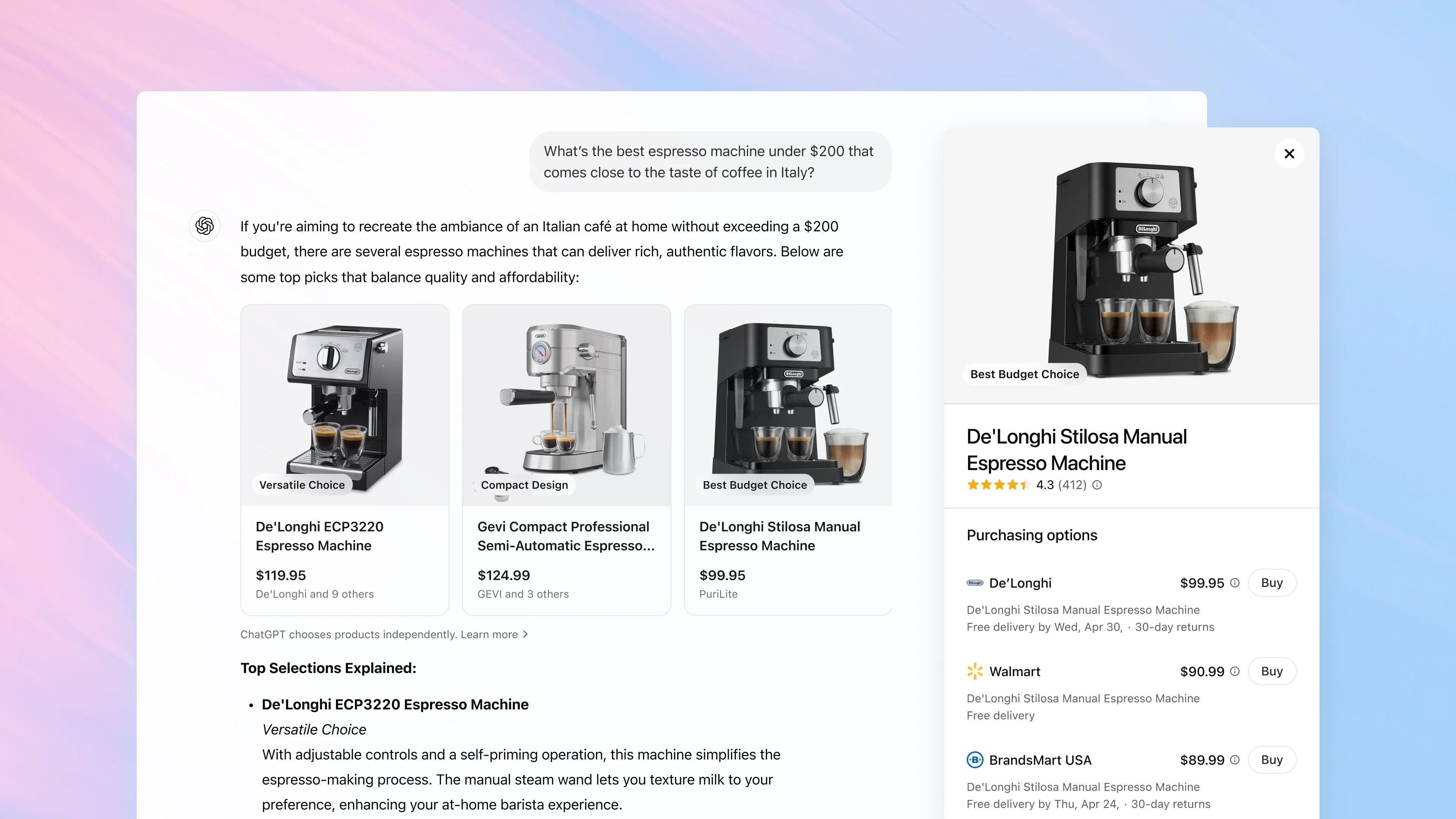
The rapid adoption of AI and agentic workflows in B2B commerce is forcing leaders to fundamentally question what they measure. Traditional web analytics, session length, click-through rates, pageviews, were built around the assumption that buyers must manually navigate, search, and compare before every purchase. In modern agentic commerce, where AI agents facilitate product discovery, negotiation, and transactions, these engagement metrics often drop even as buyer satisfaction and revenue rise.
Research from industry analysts and ecommerce thought leaders now confirms a paradox: efficient AI assistance shortens sessions, reduces click depth, and cuts redundant browsing, but actually reflects higher-quality buyer experiences and faster conversion. B2B teams cannot rely on old KPIs as proxies for buyer value or operational effectiveness in this new environment.
According to Practical Ecommerce, human shoppers supported by intelligent agents may complete their journey in a fraction of the time and pageviews formerly required. For B2B leaders, this means lower engagement may actually signal progress, not weakness. The implication is clear: it is time to architect a new analytics playbook, grounded in the actual business value AI automation delivers.

What Agentic Commerce Really Measures: Beyond Engagement

The shift to agentic commerce demands a new set of baselines for B2B analytics. Rather than focusing on activity for activity’s sake, new KPIs must address the real outcomes that agent-driven workflows and AI automation enable. Successful measurement frameworks move away from time-on-site and product page bounces, and focus on signals like decision quality, workflow accuracy, and operational efficiency.
For example, AI-assisted buying journeys can be measured by how well they match products to specific business needs, how often AI recommendations are accepted without manual intervention, and whether quoting or order errors decline as automation increases. Operational metrics, such as the percentage of orders attributed to AI-assisted workflows, enrichment of product data, or reduction in manual admin time, now serve as direct indicators of performance.
These metrics must also account for trust and governance. Are automated decisions reviewable, and can users or account managers easily trace which agent or workflow made each recommendation? Advanced measurement now means tracking the chain of agentic actions, data enrichment processes, and exception handling, making accountability and business value the core focus.

The New KPI Model: AI Agents, Decision Quality, and Attribution

Defining actionable KPIs for agentic commerce is not just about adding a new column to the report, it requires a mindset shift. B2B analytics now need to answer: Did the AI agent help the buyer reach the right decision faster, with less manual work? Did the automation preserve pricing rules, customer-specific configurations, and compliance needs? How many workflows were safely handled without handoff to human operators?
Sample metrics that become central in this new paradigm include:

  • AI agent attribution ratio: Portion of transactions or quote requests initiated or completed by agentic workflows.

  • Decision accuracy score: Percentage of AI-assisted recommendations accepted without manual override (with tracing to specific agents/workflows).

  • Workflow efficiency gain: Time or cost reduction compared to manual tasks.

  • Data completeness index: Improvement in structured product, pricing, and customer data, tracked as enabling automation and high-quality suggestions.

  • Exception and escalation rate: Frequency and root cause of cases escalated beyond automation, which helps prioritize operational improvements.
    These metrics should be surfaced in an operational dashboard, enabling data-driven review and constant optimization of agentic commerce processes.

Sample Dashboards for B2B AI Commerce: Operationalizing the New KPIs

Effective visualization is key to transforming these new metrics into day-to-day action. Modern B2B dashboards for agentic commerce should highlight not just outcomes, but the operational health of underlying workflows and data models.
A practical dashboard might show:

  • Live agent attribution: How many orders, quote requests, or support issues were handled by agents (vs. human intervention) this week.

  • Data quality state: The coverage and freshness of structured product, pricing, and inventory data powering automated processes.

  • Decision outcome map: Which recommendations led to immediate purchase or successful quoting, and where overrides or exceptions occurred.

  • Buyer trust indicators: Sharing agent decision logs, transparency on AI interventions, and metrics on user-initiated reviews or corrections.
    Integrating these dashboards across ERP, PIM, CRM, and commerce surfaces helps B2B leaders spot friction, automate further, and ensure governance. For more on underlying architecture, see Why Architecture, Not Features, Decides Agentic Commerce Success.

Tactical Steps: Integrating Agentic KPIs into Your Analytics Pipeline

Most B2B teams will need to incrementally upgrade their data and analytics stacks to support agentic measurement. Start by mapping which workflows are currently automated or agent-assisted, and inventory the touchpoints where agent decisions, product enrichment, or pricing logic are applied.
Next, ensure these events are tracked as first-class objects in your analytics platform: capture agentic actions, AI recommendations, user accept/reject feedback, and workflow handoffs. Many leading cloud platforms now support custom events for such measurement.
From there, tie these operational metrics to core financial KPIs: track whether higher agent attribution or decision accuracy correlates with conversion rates, deal size, and repeat business. Regularly review the exception log and escalation rate to target new automation or data quality projects. For a detailed walk-through on structuring your commerce data for AI use, the AI Commerce Cloud knowledge base offers practical guidance.

Governance, Accountability, and Human Insight in Agentic Metrics

Operationalizing new metrics brings fresh challenges for governance. AI-driven B2B commerce must preserve human accountability, meaning every automated decision and agentic step must be transparent and reviewable. Teams should have the means to audit why an agent made a specific recommendation, which product or pricing rules were applied, and whether buyer trust is being maintained.
Clear separation of agentic and human actions, regular reporting on exceptions, and traceable decision logs support responsible scaling of AI commerce. Periodic reviews with key customer accounts or internal stakeholders help calibrate KPIs, ensuring that efficiency gains never come at the expense of business requirements, compliance, or relationship value.
Ultimately, agentic KPIs should empower operators, not replace them, clarifying where automation works, where human insight improves the process, and how the business as a whole benefits from this new operating model.

Where to Go Next: Build AI Commerce Value, And Prove It

For B2B commerce leaders, the analytics playbook must now serve both operational and strategic needs. Agentic commerce metrics allow teams not just to track AI adoption, but to directly measure and optimize the business value it brings. This supports stronger investment cases, tighter workflow management, and clearer attribution of digital revenue growth.
Moving beyond engagement metrics changes commercial conversations at every level. IT, sales, product, and analytics teams must work together to standardize agentic events, improve structured data, and operationalize measurement across systems. Early adopters are already showing that those who master this discipline not only get more from their AI investments, they lead their markets in both buyer experience and efficiency.
Ready to measure what matters and deploy agentic analytics for real growth? Contact our experts for a strategy call.
Contact AI Commerce Cloud to discuss how these priorities apply to your B2B commerce roadmap.

​

​

​

​

Why do classic ecommerce metrics fail in agentic B2B commerce?
What are the most important KPIs for measuring AI agent performance?
How can B2B teams track agentic actions and outcomes in their analytics?
How can organizations safeguard accountability in agentic commerce?
Where can I learn more about operationalizing AI commerce measurement?
​
Lauri Koskensalo

Lauri Koskensalo

Head of Growth

Lauri Koskensalo serves as Head of Growth at AI Commerce Cloud, focusing on B2B commerce, product information management, and digital sales processes. He helps companies leverage modern commerce solutions, AI, and automation to build more efficient sales and scalable growth.

info@aicommerce.fi

Footer image AI Commerce Cloud

Ready to see it in action?

Experience how automation and integrations simplify your daily work.

Talk to sales

English
AI Commerce Cloud

FI3180370-3

Ranta-Tampellan Katu 17 33180 Tampere, Finland

info@aicommerce.fi

Ask AI about AI Commerce Cloud

OpenAI Logo
Claude Logo
Claude Logo
Gemini Logo

© 2026 AI Commerce Cloud. All rights reserved.

Talk to our experts