Lauri Koskensalo
Head of Growth
7
min read
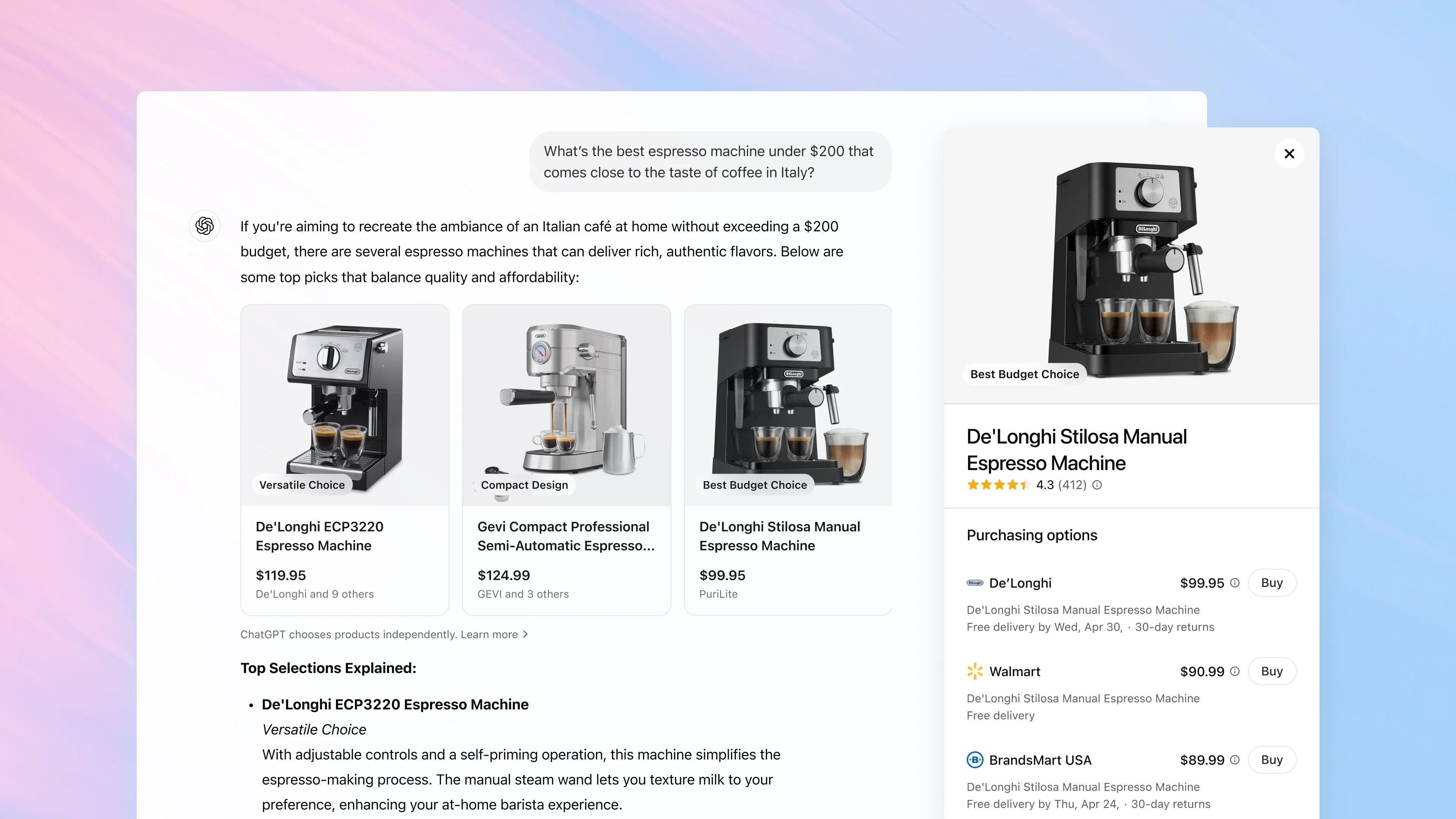
Agentic commerce marks a strategic shift for B2B organizations: increasingly, buying, pricing, and workflow decisions are delegated to AI agents with operational authority. This isn’t about quirky chatbots or passive assistants, AI agents now drive catalog updates, pricing strategies, quotes, and even customer communications. As this agentic model matures, a fundamental business question rises to the surface: Who owns the consequences of an AI agent’s decisions, particularly when mistakes disrupt revenue, customer relationships, or compliance?
Unlike legacy process automation, agentic B2B commerce makes software a business delegate. The conversation moves beyond permissions and technical guardrails to the heart of commercial accountability: which human, team, or policy governs the AI’s actions and owns its risks? This accountability gap is emerging as a board-level concern for digital commerce leaders seeking safe, scalable automation.
Understanding and actively defining ownership in agentic workflows is now a category-defining capability. B2B teams can no longer afford "pilot mode" assumptions. As AI agents enter production, governance must evolve to match the sophistication, and real-world impact, of these technologies.
Mapping AI Agent Mistakes: Error Types and Impact
Delegated Authority: Where Does The Buck Stop?
The traditional view of automation assigns clear operational boundaries: software enforces rules, humans remain responsible for judgment and escalation. Agentic commerce disrupts this clarity. AI agents are now empowered, explicitly or through omission, to make decisions on pricing, catalog structure, order approvals, or customer engagement.
According to research highlighted by Practical Ecommerce, businesses must formalize their delegated authority model for AI agents. This includes defining:
Who approves and audits agent actions
What thresholds require human intervention
Which roles own the consequences of agent-driven workflows
Operational authority in B2B workflows is not simply a technical design issue; it is an organizational commitment. Without explicit assignment and traceable audit trails, risks compound silently and escalate rapidly as agents scale. Companies must treat AI agents as operational software with business-level impact and combine policy, workflow, and data controls to define line-of-sight accountability.
From Ambiguity to Governance: Building Organizational Muscle
The Governance Checklist: Frameworks for Ownership and Risk
Ready to operationalize accountability for AI agents? Start with a governance checklist adapted from current market research and successful B2B teams:
Delegation boundaries: Document exactly which business decisions are delegated to AI agents, and under what constraints.
Authority and exceptions: Define escalation points for edge cases, ambiguous scenarios, or high-value transactions.
Audit trails: Log every significant AI action and decision in a human-readable, time-stamped, and queryable format.
Ownership mapping: Assign human owners to each automation class, process segment, or escalation flow for post-incident review.
Testing and simulation: Before full-scale rollout, simulate agent mistakes and recoveries. Review both business and customer impact.
Change management: Require formal sign-off for AI behavior changes, especially as agent capabilities expand.
This mindset shifts AI agent deployment from experimentation to controlled, measurable business value. The organizations that master these frameworks will confidently scale agentic commerce while minimizing unknown risks.
Aligning Data, Workflow, and Accountability in B2B Commerce
Operational Playbook: Next Steps for B2B Leaders
B2B commerce leaders now face a new mandate: as agentic commerce becomes reality, operational and legal responsibility must not be left to interpretation. Start by conducting an accountability audit across every AI-driven workflow. Challenge teams to trace each automation step to a human (or defined policy), log every significant decision, and document recovery protocols for errors, however unlikely.
Build cross-functional working groups, digital, product, risk, IT, and legal, to co-own governance design and regularly update frameworks as agent capabilities grow.
Ultimately, only organizations with clear, documentable accountability chains will move AI agent workflows beyond pilot mode and into the revenue-critical mainstream of B2B digital commerce.
Ready to Map Your Accountability Strategy?
Sources
What is agentic commerce?
Who is responsible if an AI agent makes a B2B commerce mistake?
How can B2B teams reduce AI agent risk?
What should be included in AI agent governance?
Where can I learn more about managing product data for agentic commerce?
Table of contents
You might also like










Talk to our experts