Lauri Koskensalo
Head of Growth
6
min read
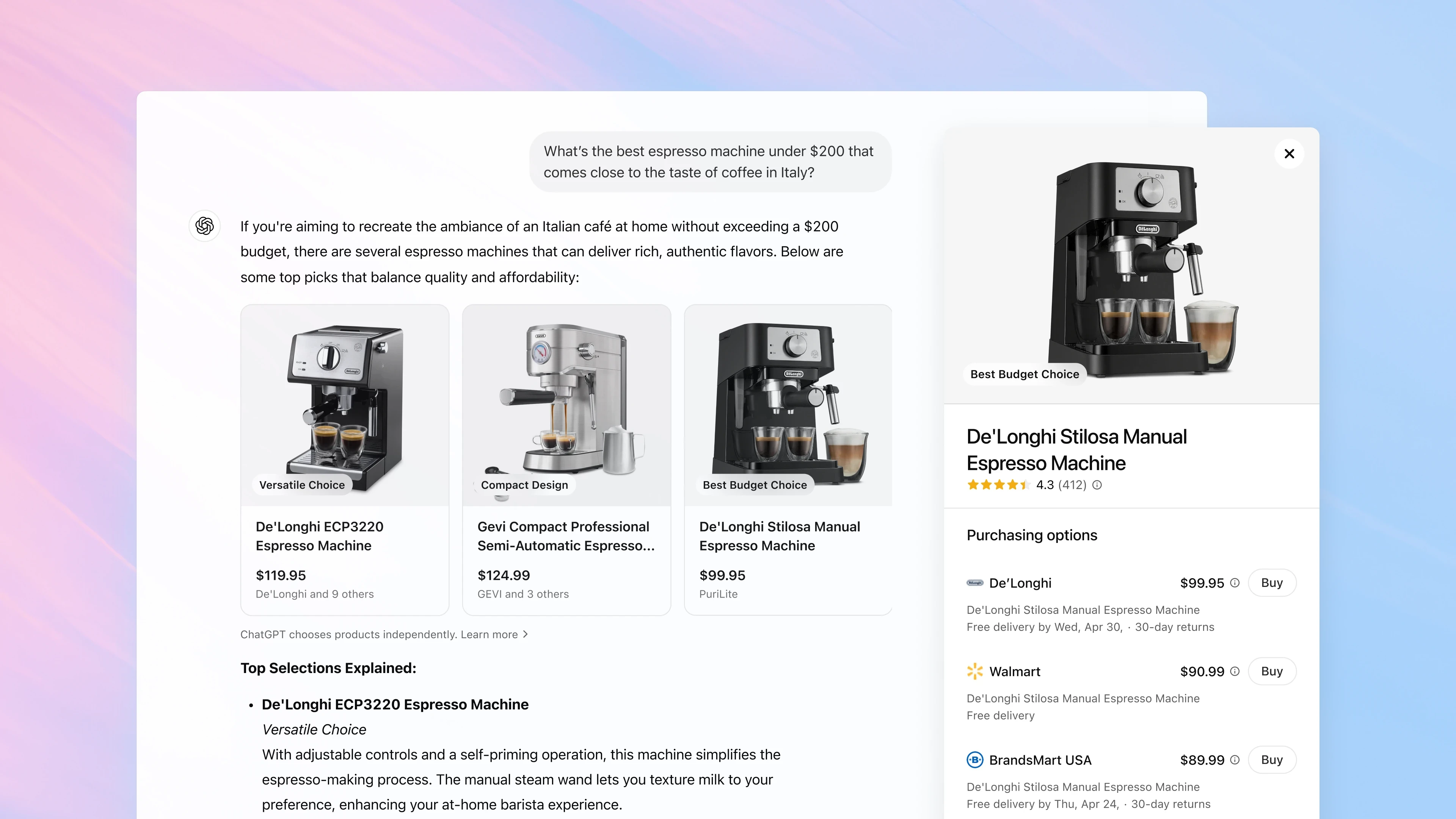
AI commerce is entering a new phase where classic keyword search no longer defines the buyer experience. Leaders across B2B sectors now face demand for photo, spec-sheet, and review-driven product discovery, shaped by the rapid mainstreaming of AI-powered search tools. According to recent retail benchmarks, features like AI photo search and natural language review insights are quickly becoming baseline requirements for effective product discovery, not just differentiators. This shift creates a strategic category distinct from traditional ecommerce or search optimization: actionable multi-modal data enrichment and governance for AI-enabled buying journeys. AI Commerce Cloud positions itself at the center of this evolution, not just with AI features, but by creating structured, integrated workflows that bring together PIM, ERP, and ecommerce data as the operational backbone for reliable agentic commerce. For B2B organizations, unlocking measurable value now hinges on practical mastery of product data quality, workflow integration, and scalable governance tuned for multi-modal, AI-driven search.
The Commercial Imperative: From Structure to Revenue in B2B Product Discovery
Why is redefining product data structure urgent right now? First, commercial benchmarks show that richer, well-governed product data directly increases search visibility, conversion, and referral traffic from both generative and traditional channels. As noted by leading digital agencies, cleaning and structuring product data within a governed environment, think detailed specs, taxonomy alignment, and image-to-attribute links, has become a precursor for AI-driven discovery and personalized recommendations. In B2B, where products are complex and buying journeys lengthy, teams that operationalize structured data unlock more automated, customer-specific workflows: think quoting, availability checks, and contextual recommendations. Instead of treating PIM or ERP as data warehouses, the new imperative is to treat every product attribute, photo, document, and review as an enriched, orchestrated asset, ready to power the next generation of semantic, vector, and multi-modal AI search capabilities. This approach doesn’t just support future tech, it serves today’s revenue needs through improved findability and workflow automation.
The Workflow Playbook: Stepwise Data Enrichment for Multi-Modal AI Search
Pitfalls and Best Practices: Ensuring Data Quality in AI Commerce Enrichment
The practical realities of AI commerce demand more than just uploading product specs. Common pitfalls include:
Inconsistent attribute definitions between teams and regions
Photos lacking sufficient metadata to enable reliable image search
Old or unapproved spec sheets that create noise in multi-modal queries
Lack of governance leading to overwritten or duplicated enrichment efforts
Best practices for avoiding these include creating data owner roles, using automated validation rules (e.g., required fields, duplicate checks), integrating document and image QA into standard workflows, and treating every enrichment step as reviewable and auditable. Transparency and accountability matter, especially in regulated, industrial, or high-value B2B contexts. Structured workflows in platforms like AI Commerce Cloud enable gradual, controlled enrichment so teams can move to more automated, agentic commerce without sacrificing data integrity or compliance.
Accelerating Value: Orchestrating People, Governance, and Automation
Checklist: Preparing Your Product Data for Multi-Modal, AI-Driven B2B Search
1. Map every data source and dependency (ERP, PIM, commerce, web, support docs)
2. Define and standardize master taxonomy and key attribute rules
3. Inventory image, photo, spec sheet, and review assets for completeness and metadata
4. Identify data owners and implement gating workflows for enrichment/approval
5. Deploy automation for low-risk, repetitive enrichment tasks
6. Continuously test AI search (text, photo, review) with live products and analyze usage
7. Review and adjust governance based on real business usage and value metrics
Next Steps: Turning Operational Playbooks into B2B AI Commerce Growth
Sources
What is multi-modal AI search in B2B commerce?
How do I start enriching product data for AI search?
Which teams should own product data governance?
How can I measure the impact of data enrichment on AI search?
Is automation safe for high-value or regulated B2B catalogs?
Table of contents
You might also like










Talk to our experts