Lauri Koskensalo
Head of Growth
6
min read
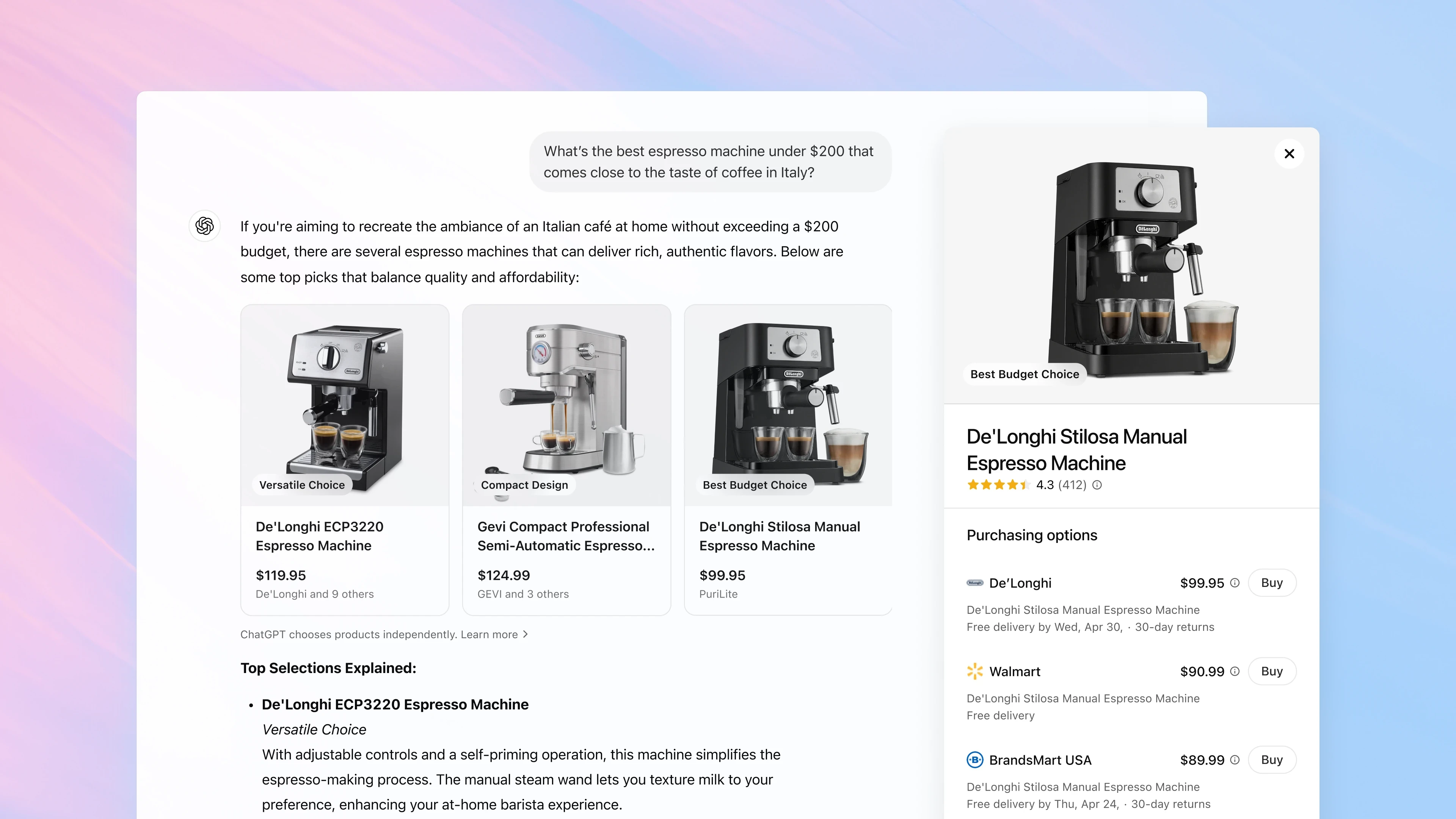
For years, B2B ecommerce innovation focused primarily on search, product discovery, and personalized pre-purchase journeys. But new research and market benchmarks reveal that AI-driven post-purchase experiences are rapidly becoming a decisive growth lever for B2B organizations. Rather than ending the journey at the order confirmation, leading digital commerce teams are leveraging agentic automation and AI-powered recommendations in tracking pages, account dashboards, and reorder workflows.
This shift is commercially significant: emerging data shows that personalized product recommendations and intelligent automation, implemented at post-purchase touchpoints, directly lift retention, repeat revenue, and overall customer satisfaction. As B2B pricing, contract terms, and replenishment cycles grow more complex, operationalizing these capabilities is essential to maximizing customer lifetime value and cementing account loyalty.
Market Evidence: Post-Purchase Personalization Drives Measurable Revenue
Recent industry analysis provides concrete proof of the value at stake. According to Digital Commerce 360, B2B and hybrid retailers adding AI-powered recommendations to their post-purchase tracking pages have achieved click-through rates as high as 31.89%. In a single benchmark quarter, one such brand attributed nearly $33,000 in incremental revenue directly to post-purchase recommendation engines alone.
These numbers are not limited to consumer brands: as account self-service, reordering, and technical product management become digital norms in B2B, customer expectations are converging with those in B2C. The revenue delta is especially strong in categories with contract buyers or scheduled reorders, where data-driven upsell and time-saving automation create new value at every customer touchpoint. For B2B leaders, this spells a clear opportunity, and a new operational imperative.
What Makes B2B Post-Purchase Unique?
While B2C post-purchase tactics inspire many best practices, B2B brings distinct requirements and opportunities. Account-based controls, tiered pricing, quote approvals, and complex product catalogs demand more than simple upsell banners. A successful post-purchase strategy in B2B must integrate customer-specific data, permissioned workflows, and audit-friendly automation.
Agentic commerce platforms unify product information, structured pricing, customer hierarchies, and workflow logic, creating a robust foundation for reliable AI-assisted recommendations. For example, dashboards can display contract-specific reorder suggestions, warranty renewals, or complementary items relevant to past purchases. Automated triggers can invite buyers to schedule service, replenish critical inventory, or access personalized documentation, all within a governed and reviewable digital workspace. Accuracy, accountability, and data privacy must always be preserved.
Operationalizing AI for Retention: A Stepwise Framework
Practical Use Cases: Applying Agentic Automation After Checkout
Agentic AI in post-purchase B2B workflows enables:
Replenishment reminders for products with predictable usage cycles or shelf life
Personalized accessory and part suggestions based on contract terms or configured bundles
Service scheduling triggers or warranty extensions at logical post-purchase intervals
Automated documentation delivery (e.g., installation guides, compliance certificates)
Smart reorder workflows directly from order history or tracking pages
Industrial and wholesale organizations already adopting these tactics are seeing increased retention and reduced service workload, as buyers can self-serve and are proactively engaged based on their actual business needs.
Data, Governance, and AI Ethics in B2B Retention Automation
Measuring Post-Purchase Success: Metrics That Matter
Optimizing the post-purchase journey requires systematic measurement. Beyond general NPS or satisfaction, B2B teams should monitor:
Click-through and conversion rates of recommendations and upsell prompts
Repeat purchase frequency and average time to reorder
Account-level growth in customer lifetime value
Reduction in service desk or manual intervention rates due to self-service
Attribution of incremental revenue to agentic post-purchase experiences
Benchmarking against industry leaders and your own historical baselines enables continuous improvement. As Digital Commerce 360 highlights, quantifying revenue lifts from specific post-purchase interventions is now a viable goal, even in complex B2B environments.
Next Steps: Future-Proofing Customer Retention and Revenue
Sources
How does AI personalization in the post-purchase journey differ for B2B versus B2C?
What kinds of recommendations and automation work best after checkout in B2B?
How can B2B teams ensure data quality and governance in automated post-purchase workflows?
What KPIs should be used to measure the impact of post-purchase AI in B2B commerce?
How quickly can B2B sales teams begin to see results from post-purchase automation?
Table of contents
You might also like










Talk to our experts