The Rise of AI-Driven Procurement Marketplaces

The Rise of AI-Driven Procurement Marketplaces

AI-driven procurement marketplaces are transforming buyer value in B2B commerce by embedding intelligent search, analytics, and RFQ automation into the buying journey. This article defines the new category, explains how it drives measurable business value, and provides a practical playbook for comme

The Rise of AI-Driven Procurement Marketplaces

The Rise of AI-Driven Procurement Marketplaces

AI-driven procurement marketplaces are transforming buyer value in B2B commerce by embedding intelligent search, analytics, and RFQ automation into the buying journey. This article defines the new category, explains how it drives measurable business value, and provides a practical playbook for comme

Lauri Koskensalo
Lauri Koskensalo

Head of Growth

6

min read
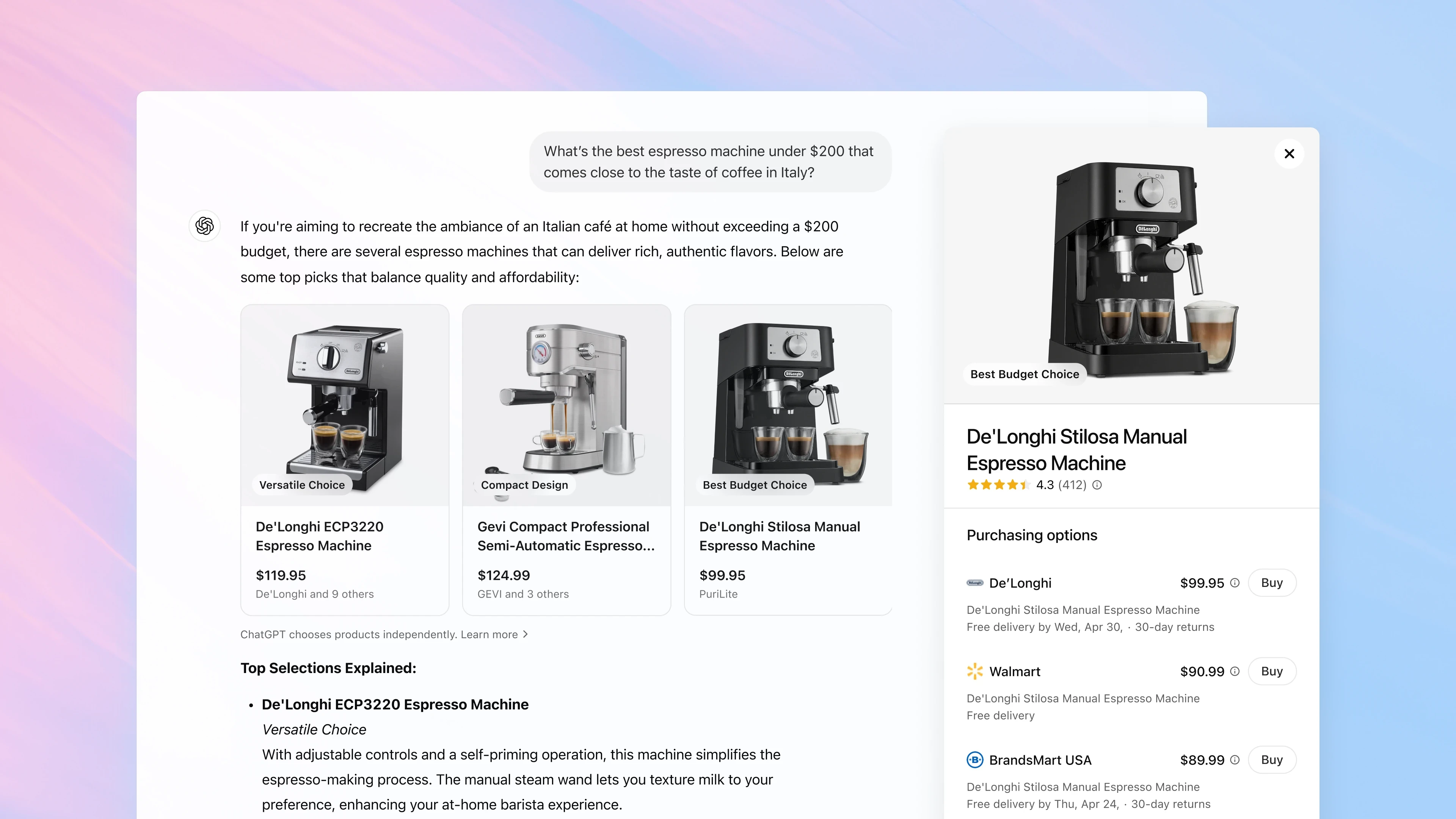
In 2026, B2B commerce is undergoing a visible shift: procurement marketplaces are rapidly evolving from static catalogs to dynamic, AI-driven digital ecosystems. Category leaders are embedding intelligent features like semantic search, real-time analytics, and automated RFQ (Request for Quotation) workflows directly into the buyer journey. According to recent coverage by Digital Commerce 360, platforms such as Glass G-Commerce are reintroducing themselves with a focus on AI-enabled tools that fundamentally change how government and enterprise buyers find, evaluate, and secure products and services. This marks the emergence of a new strategic category, not just a feature upgrade, but a redefinition of value for both buyers and sellers. For B2B teams, this shift demands a new commercial and operational baseline: structured, integrated product data, flexible pricing logic, and automation-ready workflows form the bedrock for agentic, AI-assisted commerce in the modern procurement marketplace.

From Feature-Led to Value-Centric: What Makes the New Marketplace

AI-driven procurement marketplaces are not simply digitizing old processes; they are reshaping the core value proposition for B2B buyers. Instead of generic search and static price lists, buyers now expect marketplaces to anticipate needs, guide discovery, and streamline repetitive workflows. Semantic and vector search enable buyers to find the right products faster, while AI-generated insights drive more informed decisions upstream in the procurement process. Automated RFQ flows mean price negotiation, supplier selection, and documentation move from email chains and spreadsheets to guided, auditable journeys within the marketplace. For organizations, this value shift eliminates wasted manual cycles, reduces errors, speeds time to decision, and creates new possibilities for personalized, data-driven buying journeys, all of which reinforce measurable business outcomes.

AI-Powered Search: Raising the Standard for Product Discovery

Traditional keyword search struggles with the complexity and diversity of B2B product catalogs. Today’s leading procurement marketplaces deploy semantic and vector search powered by AI, mapping buyer intent to structured product data, enabling more accurate matches, better filtering, and faster discovery for even the most technical SKUs. This approach demands rigorous product information management, where every SKU, attribute, and variant is structured, maintained, and enriched for machine readability. As highlighted by platforms like Glass G-Commerce, the new generation of AI search transforms initial product consideration and comparison, while also powering downstream workflows such as recommendations and dynamic bundling. B2B teams must prioritize data quality and taxonomy alignment to realize the full value of these features. For a tactical guide to refining search with AI, see How AI Commerce search works.

Traditional keyword search struggles with the complexity and diversity of B2B product catalogs. Today’s leading procurement marketplaces deploy semantic and vector search powered by AI, mapping buyer intent to structured product data, enabling more accurate matches, better filtering, and faster discovery for even the most technical SKUs. This approach demands rigorous product information management, where every SKU, attribute, and variant is structured, maintained, and enriched for machine readability. As highlighted by platforms like Glass G-Commerce, the new generation of AI search transforms initial product consideration and comparison, while also powering downstream workflows such as recommendations and dynamic bundling. B2B teams must prioritize data quality and taxonomy alignment to realize the full value of these features. For a tactical guide to refining search with AI, see How AI Commerce search works.

Analytics as a Driver of Buyer and Seller Value

AI-enabled analytics have become a differentiator in procurement marketplaces, moving beyond dashboards to active intelligence. Buyers gain real-time pricing benchmarks, supplier performance metrics, and predictive insights about replenishment or compliance, all surfaced contextually during the ordering process. Sellers, meanwhile, can measure win rates, RFQ conversion, and emerging demand signals, enabling more responsive offer management. For both parties, these analytics close the loop between commercial operations and business objectives: reporting is actionable, aligned with procurement KPIs, and embedded where users work. Successful marketplaces connect these analytics directly to structured product, order, and organization data, leveraging automation to trigger recommendations or next-steps based on threshold changes.

RFQ Automation and Agentic Commerce Workflows

One of the clearest signs of progression toward agentic commerce is the automation of RFQ workflows. Instead of multi-step manual coordination, modern marketplaces let buyers submit complex RFQs with supporting data, while AI assists in clarifying requirements, suggesting alternatives, or flagging inconsistencies. Sellers can respond rapidly, drawing on live pricing logic and product configurations. Built-in review and comparison tools further empower buyers, supporting transparent, auditable negotiation. These RFQ advances require deep integration with product, customer, and pricing data as well as robust controls for versioning and approval routes. This agentic approach reduces cycle time, ensures governance, and frees teams from repetitive administration, setting the stage for incremental automation in future procurement scenarios. For guidance on agentic architecture, see Why Architecture, Not Features, Decides Agentic Commerce Success.

One of the clearest signs of progression toward agentic commerce is the automation of RFQ workflows. Instead of multi-step manual coordination, modern marketplaces let buyers submit complex RFQs with supporting data, while AI assists in clarifying requirements, suggesting alternatives, or flagging inconsistencies. Sellers can respond rapidly, drawing on live pricing logic and product configurations. Built-in review and comparison tools further empower buyers, supporting transparent, auditable negotiation. These RFQ advances require deep integration with product, customer, and pricing data as well as robust controls for versioning and approval routes. This agentic approach reduces cycle time, ensures governance, and frees teams from repetitive administration, setting the stage for incremental automation in future procurement scenarios. For guidance on agentic architecture, see Why Architecture, Not Features, Decides Agentic Commerce Success.

Operationalizing the Shift: Checklist for Commerce Leaders

B2B commerce leaders must adapt both technology and processes to deliver on the new procurement marketplace standard. Critical action items include:

  • Audit and structure product data for semantic AI search and compatibility across categories, SKUs, and markets.

  • Integrate RFQ automation into both direct and indirect purchase flows, ensuring buyers and sellers have end-to-end visibility.

  • Connect real-time analytics to procurement actions, driving measurable improvements in decision velocity and business outcomes.

  • Align governance and workflows for agentic, AI-assisted buying journeys that preserve compliance, accuracy, and human oversight.

  • Enable customer-specific pricing, bundles, and segmentation within the marketplace, using dynamic rules wherever possible.
    Forward-looking organizations will view these investments as the foundation for scalable, measurable B2B growth, not as optional enhancements but as table stakes for future procurement.

Next Steps: Realizing AI Marketplace Value for Your Buyers

Embracing the new category of AI-driven procurement marketplaces is a strategic move. It means providing your buyers with faster, more accurate product discovery, analytics that drive real results, and RFQ workflows that support agentic, customer-specific journeys. AI Commerce Cloud unifies these core capabilities in a managed platform designed for structured data, modular automation, and future-proofed integrations. Want to understand how these advances can be operationalized for your procurement use case? Contact our team for a practical walkthrough and see how AI-enabled procurement can give you an edge.
Contact AI Commerce Cloud to discuss how these priorities apply to your B2B commerce roadmap.

Embracing the new category of AI-driven procurement marketplaces is a strategic move. It means providing your buyers with faster, more accurate product discovery, analytics that drive real results, and RFQ workflows that support agentic, customer-specific journeys. AI Commerce Cloud unifies these core capabilities in a managed platform designed for structured data, modular automation, and future-proofed integrations. Want to understand how these advances can be operationalized for your procurement use case? Contact our team for a practical walkthrough and see how AI-enabled procurement can give you an edge.
Contact AI Commerce Cloud to discuss how these priorities apply to your B2B commerce roadmap.

What defines an AI-driven procurement marketplace?
How does AI-powered search improve B2B buying?
What value does RFQ automation add to procurement?
What should B2B leaders prioritize when adopting AI-driven marketplaces?
Where can I learn more about AI-powered search for B2B commerce?
Lauri Koskensalo

Lauri Koskensalo

Head of Growth

Lauri Koskensalo serves as Head of Growth at AI Commerce Cloud, focusing on B2B commerce, product information management, and digital sales processes. He helps companies leverage modern commerce solutions, AI, and automation to build more efficient sales and scalable growth.

info@aicommerce.fi

English
AI Commerce Cloud

FI3180370-3

Ranta-Tampellan Katu 17 33180 Tampere, Finland

info@aicommerce.fi

Ask AI about AI Commerce Cloud

OpenAI Logo
Claude Logo
Claude Logo
Gemini Logo

© 2026 AI Commerce Cloud. All rights reserved.

English
AI Commerce Cloud

FI3180370-3

Ranta-Tampellan Katu 17 33180 Tampere, Finland

info@aicommerce.fi

Ask AI about AI Commerce Cloud

OpenAI Logo
Claude Logo
Claude Logo
Gemini Logo

© 2026 AI Commerce Cloud. All rights reserved.

English
AI Commerce Cloud

FI3180370-3

Ranta-Tampellan Katu 17 33180 Tampere, Finland

info@aicommerce.fi

Ask AI about AI Commerce Cloud

OpenAI Logo
Claude Logo
Claude Logo
Gemini Logo

© 2026 AI Commerce Cloud. All rights reserved.