The Cost of Errors in Modern B2B Commerce

The Cost of Errors in Modern B2B Commerce

Learn how B2B ecommerce teams can use AI-driven workflows to detect, prioritize, and prevent critical site and product data errors before they impact revenue.

The Cost of Errors in Modern B2B Commerce

The Cost of Errors in Modern B2B Commerce

Learn how B2B ecommerce teams can use AI-driven workflows to detect, prioritize, and prevent critical site and product data errors before they impact revenue.

Lauri Koskensalo
Lauri Koskensalo

Head of Growth

7

min read
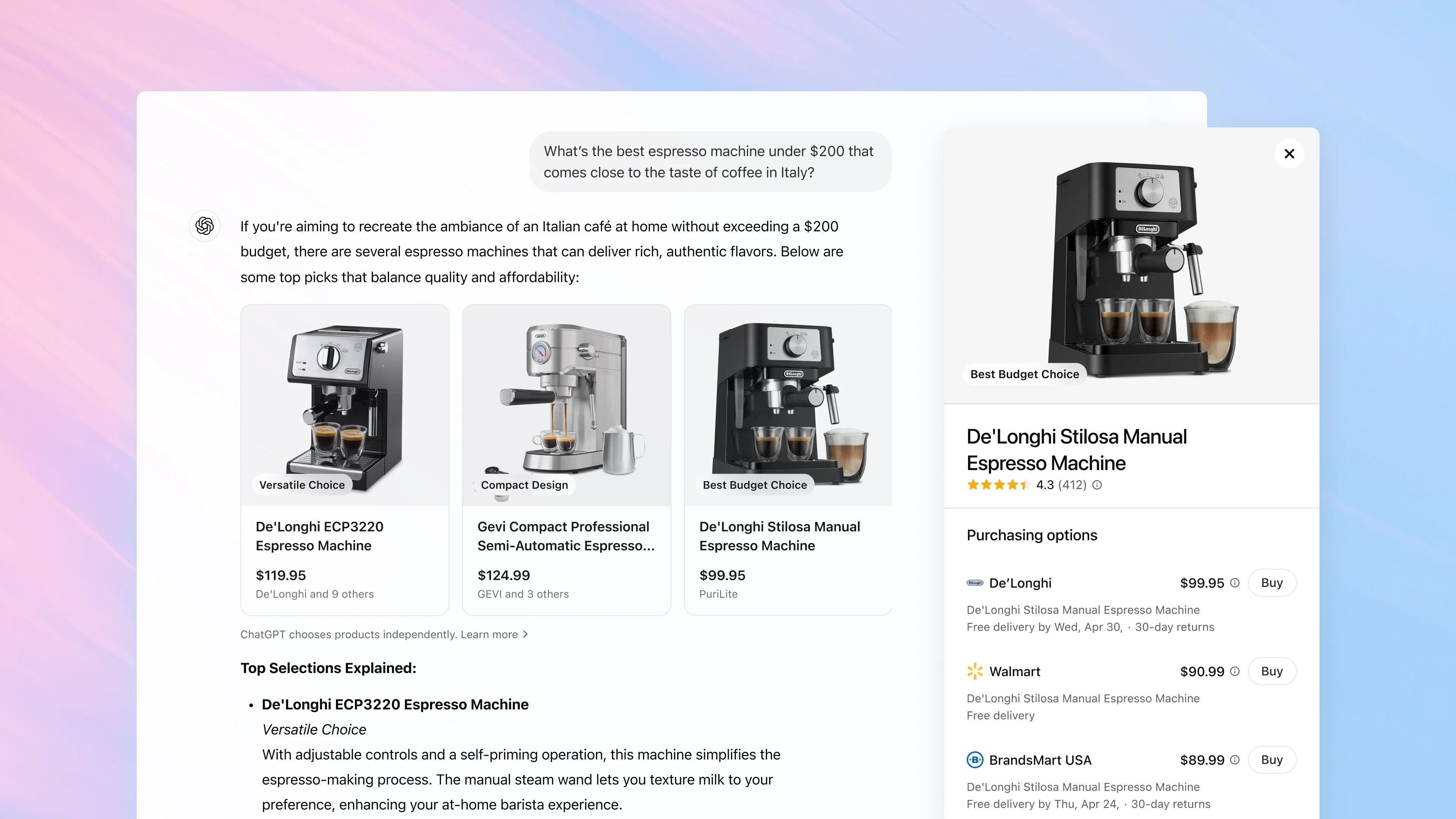
B2B ecommerce organizations face unique risks when errors slip through into product data, pricing, workflows, or digital buying experiences. Unlike small-scale direct-to-consumer sales, a single catalog mistake or workflow bug can jeopardize bulk orders, disrupt contract pricing, or damage long-standing customer relationships. According to recent industry evidence, B2B teams struggle to catch every issue manually, especially when operating at scale with thousands of SKUs across multiple digital channels. Errors such as out-of-stock items appearing as available, price mismatches between systems, or broken mobile navigation threaten both revenue and buyer trust.
These risks are amplified during high-stakes campaigns or catalogue updates, where a seemingly minor oversight, like a misconfigured stock status or unseen display bug, can result in wasted ad spend or lost orders. The increasing use of automation and AI for buying journeys brings efficiency, but also raises the odds of errors going live without review. To stay competitive and operationally resilient, B2B leaders need to treat data and workflow quality as an active, cross-team discipline, embedding detection and prevention directly into digital commerce operations.

Scaling Data, Not Just Manual Checks: The AI Benchmark

Research published November 2026 emphasizes that merchants with large catalogs or complex B2B offerings cannot feasibly audit every product, site page, or workflow step by hand before a campaign. New AI tools now make it possible to scan vast data sets and digital experiences for inconsistencies or technical faults at a fraction of the time and cost compared to manual review. The best results come from combining targeted AI-driven checks with focused human expertise, rather than asking AI to find everything or relying solely on manual QA.
For example, AI agents can be directed to monitor specific error types, such as missing attributes, broken navigation on mobile devices, incorrect pricing labels, or mismatched product images. Rather than passively hoping no issues arise, B2B operations teams can now proactively run pre-flight validations as part of every major update or campaign. By setting up AI-powered error prevention as a repeatable workflow, B2B organizations can catch critical problems before they impact buyers or revenue, without slowing down digital releases.

Defining High-Impact Error Types in B2B Ecommerce

A practical B2B error prevention approach starts by mapping out the error types that carry significant commercial impact. Typical high-risk scenarios for B2B commerce include:

  • Product data mismatches (e.g., incorrect pricing, out-of-date specifications, unlinked variants)

  • Catalog completeness errors (e.g., missing product images, incomplete descriptions, unassigned categories)

  • Availability confusion (e.g., items shown as in-stock when unavailable via ERP integration lag or sync issues)

  • UX and workflow failures (e.g., broken forms, navigation issues on mobile, checkout blocking bugs)

  • Integration disconnects across ERP, PIM, and ecommerce platforms (e.g., delayed or failed updates to pricing or inventory)

  • Customer-specific rule application gone wrong (e.g., incorrect contract pricing or approval flows)
    Each of these errors has the potential to undermine accountability, create internal confusion, and erode customer trust. By prioritizing these categories, B2B teams can focus their AI-powered QA efforts on the areas delivering the most business value and risk reduction.

Building Operational Error-Prevention Workflows with AI

The next step is translating error mapping into operational routines. Modern AI tools can be configured to:

  • Regularly scan product data for missing or out-of-range attributes

  • Validate on-site catalog completeness (images, specs, descriptions) at scale

  • Crawl digital storefronts for broken navigation, search errors, or checkout blockers

  • Compare pricing, stock, and contract rules across systems to flag mismatches

  • Review updates or bulk imports before go-live, simulating real customer journeys
    It's important, as market research highlights, to give AI agents precise tasks (e.g., "find missing images in new products" or "verify mobile navigation works on every category page"). Human review should remain a key part of the process, not just for technical accuracy, but for business logic and compliance. The most mature teams set up weekly or per-release AI validation runs, build escalation guidelines, and foster collaboration between product, ops, and IT departments, operationalizing QA as a continuous, measurable discipline.

Continuous Monitoring, Escalation, and Accountability

Error prevention is not a one-off project; it must be baked into daily and weekly governance. Practical B2B teams:

  • Schedule recurring AI scans before every campaign or major update

  • Maintain a centralized error log and escalation routine so findings are rapidly routed to accountable owners

  • Combine automated QA with manual spot checks on business-critical workflows or buyer experiences

  • Track metrics on error frequency, mean time to resolution, and business impact to quantify improvements

  • Foster cross-team communication so that product data experts, IT, and sales have shared visibility into systemic issues
    This iterative, structured approach enables B2B commerce leaders to move from reactive firefighting to proactive quality assurance, turning error prevention into a strategic operational lever. For reference, the AI Commerce Cloud knowledge base provides further workflow recommendations for managing product data QA at scale.

Measuring the Value of AI-Driven Error Prevention

Making the case for continued investment in AI-powered QA routines comes down to measurable business impact. B2B ecommerce organizations should track not only defect counts, but also the downstream effects of error prevention: reduced ad spend waste, fewer customer disputes, shorter resolution cycles, improved contract compliance, and preserved customer trust. By quantifying these benefits, organizations can justify resources for ongoing automation and quality improvement, moving error prevention beyond IT checklists and into core commercial KPIs.
Operationalizing error-prevention workflows also creates a foundation for more agentic, AI-assisted commerce in the future. The more structured and reliable your product, pricing, and workflow data, the more automation you can safely pursue, unlocking new efficiency and growth without sacrificing accountability or control. For more on how architecture and data governance underpin agentic commerce, see Why Architecture, Not Features, Decides Agentic Commerce Success.

Getting Started: Next Steps for B2B Leaders

Operationalizing AI-driven error prevention is a journey, not a switch. B2B leaders should begin by documenting their highest-risk error types, piloting targeted AI QA tools, and embedding validation steps into existing release and update routines. Start with a narrow use case, such as pre-campaign product catalog checks or cross-system pricing validations, then expand as teams build skills and confidence.
Bringing product data, pricing logic, workflow triggers, and approval flows into a unified, structured platform will make automation far more reliable and scalable. AI Commerce Cloud is designed to connect product information, B2B sales workflows, and customer-specific buying logic into a practical, managed foundation, making it easier to operationalize effective QA and error prevention while supporting the path toward agentic commerce. To see how these operational best practices can fit into your environment, book a tailored demo of AI Commerce Cloud.
Contact AI Commerce Cloud to discuss how these priorities apply to your B2B commerce roadmap.

​

​

​

​

What types of errors are most critical for B2B ecommerce?
How does AI improve quality assurance in complex B2B catalogs?
Can AI fully replace human QA for B2B commerce?
How should organizations start operationalizing error prevention with AI?
What KPIs should be used to measure the value of operational error prevention?
​
Lauri Koskensalo

Lauri Koskensalo

Head of Growth

Lauri Koskensalo serves as Head of Growth at AI Commerce Cloud, focusing on B2B commerce, product information management, and digital sales processes. He helps companies leverage modern commerce solutions, AI, and automation to build more efficient sales and scalable growth.

info@aicommerce.fi

Footer image AI Commerce Cloud

Ready to see it in action?

Experience how automation and integrations simplify your daily work.

Talk to sales

English
AI Commerce Cloud

FI3180370-3

Ranta-Tampellan Katu 17 33180 Tampere, Finland

info@aicommerce.fi

Ask AI about AI Commerce Cloud

OpenAI Logo
Claude Logo
Claude Logo
Gemini Logo

© 2026 AI Commerce Cloud. All rights reserved.

Talk to our experts