AI Traffic Referrals: The New B2B Commerce Reality

AI Traffic Referrals: The New B2B Commerce Reality

AI-powered search engines and answer engines are now sending B2B buyers directly to your site, not just via classic search. This practical framework shows B2B ecommerce leaders how to capture, measure, and monetize AI traffic referrals, transforming a frontier channel into a revenue driver alongside

AI Traffic Referrals: The New B2B Commerce Reality

AI Traffic Referrals: The New B2B Commerce Reality

AI-powered search engines and answer engines are now sending B2B buyers directly to your site, not just via classic search. This practical framework shows B2B ecommerce leaders how to capture, measure, and monetize AI traffic referrals, transforming a frontier channel into a revenue driver alongside

Lauri Koskensalo
Lauri Koskensalo

Head of Growth

6

min read
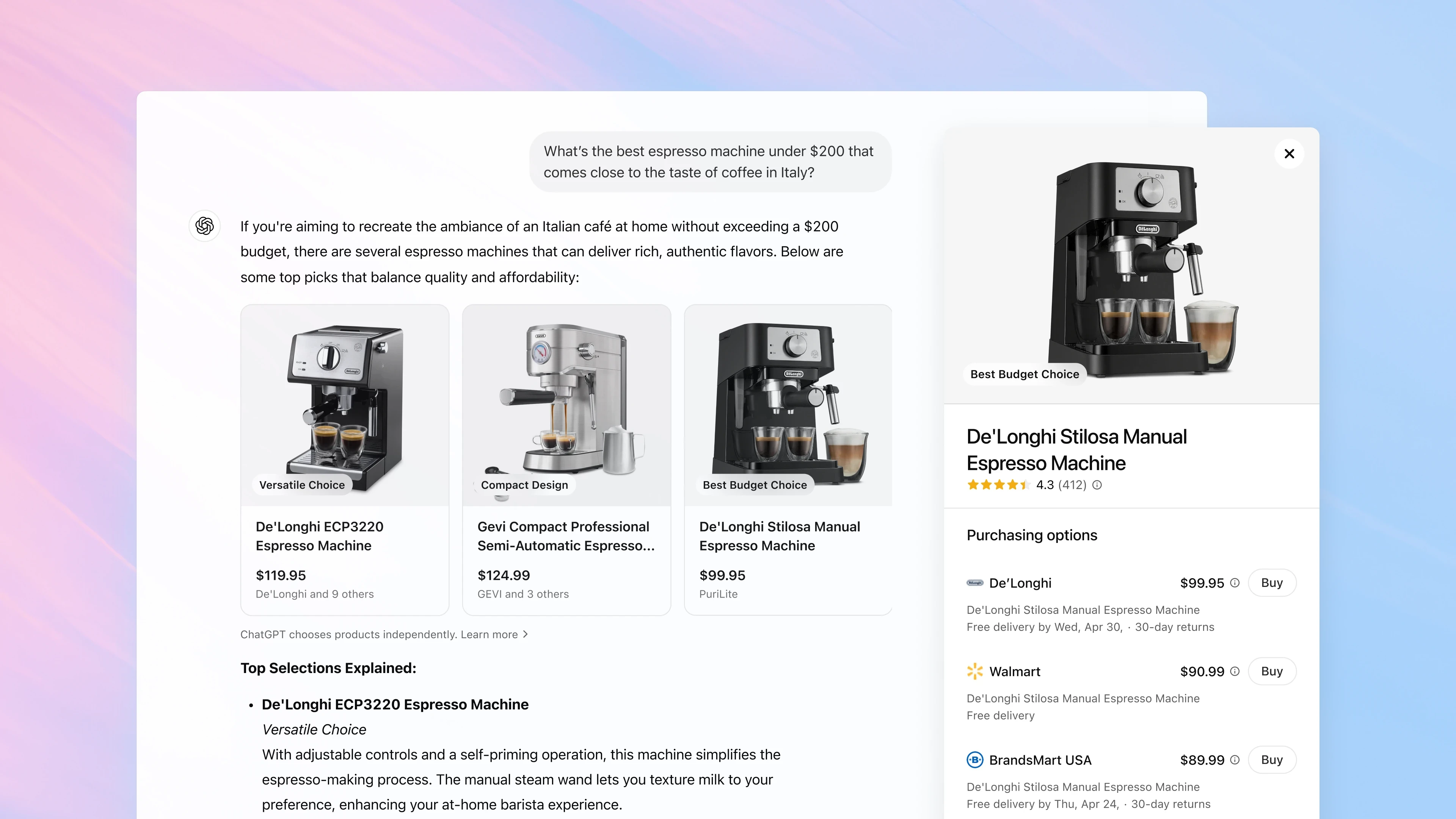
AI-powered platforms, ranging from generative search engines to conversational answer engines, are now responsible for a measurable and growing share of B2B ecommerce traffic. According to Digital Commerce 360, leading retailers are already seeing AI-originated visits reach 5% or more of total web traffic, viewed not as an experiment but as a new acquisition pillar. Unlike traditional search, these referrals come from AI systems that surface site content or product data as direct answers to complex buyer questions, driving higher pre-qualification and potentially shorter sales cycles. For B2B commerce teams, this shift means rethinking their visibility strategy and treating AI traffic referrals as a revenue-critical channel.

What Counts as an AI Traffic Referral Today?

AI traffic referrals stem from a new generation of sources: generative search engines (like those powered by large language models), vertical answer engines, AI-powered knowledge bases, and agent intermediaries. These platforms consume and process structured product data and enriched business content, then surface tailored recommendations or answers directly in buyer workflows. Referral signals often arrive without clear browser referrers, making analytics and attribution a new challenge. The practical implication: classic organic SEO is not enough, B2B teams need to optimize for how AI “understands” their content, not just how search engines rank web pages.

Why AI Referrals Matter: Business Impact and Growth Benchmarks

AI traffic referrals are not just another new metric, they are already influencing buyer journeys, conversion rates, and revenue outcomes. Companies like Povison have publicly reported that AI-originated traffic now exceeds 5% of their total, with conversion intent often above par compared to traditional SEO. Forrester and Digital Commerce 360 highlight this trend in recent B2B digital commerce analyses, showing that teams leveraging answer engine optimization (AEO) frameworks increase qualified lead volume and shorten consideration cycles. Ignoring AI traffic risks ceding early advantage, while those who move quickly can add a scalable, defensible growth lever.

The AI Referral Readiness Checklist

To benefit from AI and generative search referrals, B2B commerce teams must address several readiness factors:

  • Structured Product Data: Ensure product information is comprehensive, up-to-date, and machine-readable (e.g. through schema, APIs, or enriched feeds).

  • Knowledge Base Content: Maintain accurate, accessible, and well-tagged product and answer content in a unified repository. AI Commerce Cloud’s knowledge base provides a model for operationalizing content.

  • Attribution and Analytics: Use advanced tagging, UTM tracking, and analytics connectors to identify AI-originated sessions (even when classic referrers are missing).

  • Technical SEO and AEO: Layer answer engine optimization (AEO) practices on top of core SEO, such as FAQ schemas, structured snippets, entity tagging, and prompt-friendly summaries.

To benefit from AI and generative search referrals, B2B commerce teams must address several readiness factors:

  • Structured Product Data: Ensure product information is comprehensive, up-to-date, and machine-readable (e.g. through schema, APIs, or enriched feeds).

  • Knowledge Base Content: Maintain accurate, accessible, and well-tagged product and answer content in a unified repository. AI Commerce Cloud’s knowledge base provides a model for operationalizing content.

  • Attribution and Analytics: Use advanced tagging, UTM tracking, and analytics connectors to identify AI-originated sessions (even when classic referrers are missing).

  • Technical SEO and AEO: Layer answer engine optimization (AEO) practices on top of core SEO, such as FAQ schemas, structured snippets, entity tagging, and prompt-friendly summaries.

Operationalizing AI Traffic: Workflow and Ownership

Making AI referrals a core acquisition channel requires collaboration across marketing, product data, IT, and sales. Assign roles for data quality governance, content enrichment, and search/AEO monitoring. Schedule regular sprints to test how your key products and answers surface in AI engines, and iterate on structures or language until quality visits rise. Integrate AI referral benchmarks into your regular ecommerce analytics review, and build a feedback loop between product owners and content teams to address gaps. AI-originated traffic is incremental and complements paid, organic, and direct sources, demanding equal operational rigor.

Checklist: Action Steps for B2B Commerce Teams This Quarter

  1. Audit your product data and knowledge base for AI readability and completeness.

  2. Implement FAQ schemas and entity markup on priority landing and product pages.

  3. Map current and potential AI referral sources in your analytics stack, updating dashboards to show AI-originated sessions.

  4. Pilot AEO improvements on 3, 5 high-impact queries and monitor changes in qualified traffic over 4, 6 weeks.

  5. Establish a cross-functional AEO champion, responsible for coordinating product content, analytics, and technical SEO.

Monetizing and Scaling AI-Originated Traffic

Once AI referrals reach a sustainable baseline, your focus should shift to conversion and revenue optimization. Update buyer journeys and content to serve the specific intent of visitors arriving from answer engines or AI-powered searches. Measure engagement, conversion, and lead quality compared to other channels. Surface case studies and wins internally to grow executive understanding and investment in this channel. Use personalization strategies to tailor initial landing experiences for AI-driven audiences. Over time, combine AI traffic insights with CRM data to refine account-specific targeting and upsell workflows.

Once AI referrals reach a sustainable baseline, your focus should shift to conversion and revenue optimization. Update buyer journeys and content to serve the specific intent of visitors arriving from answer engines or AI-powered searches. Measure engagement, conversion, and lead quality compared to other channels. Surface case studies and wins internally to grow executive understanding and investment in this channel. Use personalization strategies to tailor initial landing experiences for AI-driven audiences. Over time, combine AI traffic insights with CRM data to refine account-specific targeting and upsell workflows.

Next Steps: Begin Your AI Traffic Optimization Journey

AI traffic referrals are no longer a “future thing”, they are changing buyer behavior and competition in B2B commerce now. Teams that capture, measure, and monetize AI-originated visits stand to build a new, defensible growth channel that compounds with their established SEO and paid efforts. The journey is iterative: start with data and content readiness, layer in technical AEO, and build operational feedback loops.
Ready to turn AI-driven traffic into new business growth? Book a free AI Commerce Cloud strategy demo to see how a managed, data-unified foundation can unlock your next wave of measurable value.
Contact AI Commerce Cloud to discuss how these priorities apply to your B2B commerce roadmap.

AI traffic referrals are no longer a “future thing”, they are changing buyer behavior and competition in B2B commerce now. Teams that capture, measure, and monetize AI-originated visits stand to build a new, defensible growth channel that compounds with their established SEO and paid efforts. The journey is iterative: start with data and content readiness, layer in technical AEO, and build operational feedback loops.
Ready to turn AI-driven traffic into new business growth? Book a free AI Commerce Cloud strategy demo to see how a managed, data-unified foundation can unlock your next wave of measurable value.
Contact AI Commerce Cloud to discuss how these priorities apply to your B2B commerce roadmap.

What is an AI traffic referral and how is it different from SEO traffic?
How can B2B ecommerce teams detect and measure AI-originated visits?
What is Answer Engine Optimization (AEO) and why does it matter in B2B?
Which B2B content and data types are most valuable for AI and generative search?
How should B2B teams get started with AI traffic and AEO?
Lauri Koskensalo

Lauri Koskensalo

Head of Growth

Lauri Koskensalo serves as Head of Growth at AI Commerce Cloud, focusing on B2B commerce, product information management, and digital sales processes. He helps companies leverage modern commerce solutions, AI, and automation to build more efficient sales and scalable growth.

info@aicommerce.fi