Lauri Koskensalo
Head of Growth
6
min read
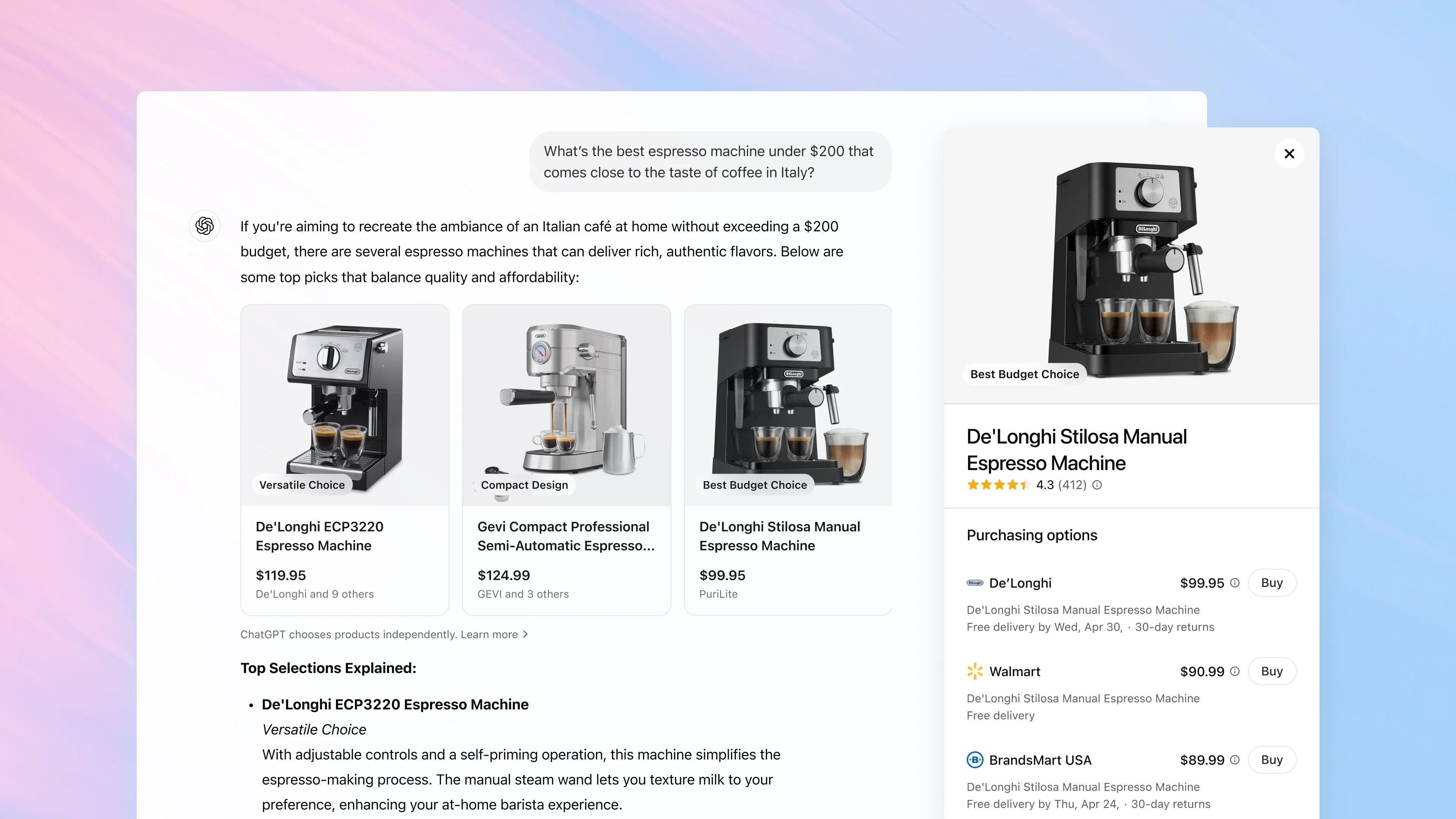
AI agents and answer engines are no longer just experimental helpers, they are becoming the key intermediaries that connect buyers to B2B products, specifications, and transactional workflows. In 2027, a significant share of complex, high-value procurement journeys begins not with a human visitor, but with an AI agent or bot accessing product information, price structures, and availability metadata. Accessibility and trust for these agents are now essential, not optional, for staying visible in digital supply chains and recommendation systems. B2B teams must move beyond classic SEO and digital catalog maintenance: the focus is shifting towards structured data, machine-readable content, and operational processes that make every product and offer discoverable and eligible for automated purchase flows. As AI-driven referrals and automated buying increase, operational readiness for bots and agents directly impacts commercial outcomes. The following checklist distills the essential steps B2B ecommerce and product teams need to ensure their site and data foundation are fit for this new era.
Audit Technical Access: Bots, Crawlers, and Answer Engines
The first operational barrier is technical access. Many B2B sites unknowingly block or restrict AI agents and next-generation crawlers due to legacy server rules, misconfigured firewalls, or robots.txt exclusions. Begin with a full audit:
Use purpose-built bot testing tools (such as those mentioned by former Google professionals) to simulate access from prominent AI agents and verify robots.txt and server response.
Ensure that all essential commerce, product, and pricing endpoints are accessible to mainstream AI discovery and shopping bots.
Avoid over-relying on JavaScript rendering for key data: as of late 2026, most AI crawlers still struggle with dynamic JS-heavy content.
This foundation will enable AI agents to reliably discover and index both your company and your products. For heavier B2B workflows, validate that self-service RFQ systems and authenticated buying options are also documented and crawlable where appropriate.
Enrich Structured Product Data and Metadata
Maximize AI Visibility and Answer Engine Optimization (AEO)
Classic SEO is no longer sufficient when AI-driven answer engines and shopping bots act as the new gatekeepers. Prioritize:
Detailed FAQ content and buyer guides, marked up for direct ingestion by AI systems.
Consistency and accuracy in structured data to support vector search and product recommendation algorithms.
Monitoring new answer engine optimization toolkits that identify discoverability gaps and surface content types most likely to be referenced in agentic responses (as highlighted in recent industry coverage).
By making your B2B products, categories, and transactional pages "answer engine ready," you increase the chance that your offers are recommended or transacted via AI assistants. Don’t neglect B2B-relevant content, such as complex pricing logic or configurable products, in your AEO strategy.
Validate Data Governance and Workflow Automation
Monitor AI-Driven Referrals and Buyer Journeys
Next Steps: Making B2B Ecommerce Agentic-Ready in 2027
Sources
What is AI agent access in B2B ecommerce?
How do I test if my site is accessible to AI agents?
Why is structured product data important for AI agent access?
What is answer engine optimization (AEO) in the context of B2B commerce?
Where can I learn more about operationalizing AI and agentic commerce?
Table of contents
You might also like










Talk to our experts