The New Reality: Discovery Spans Web, Video, Social, and AI Engines

The New Reality: Discovery Spans Web, Video, Social, and AI Engines

Connect analytics across web, video, social, and AI channels to attribute B2B product discovery and revenue with new measurement routines.

The New Reality: Discovery Spans Web, Video, Social, and AI Engines

The New Reality: Discovery Spans Web, Video, Social, and AI Engines

Connect analytics across web, video, social, and AI channels to attribute B2B product discovery and revenue with new measurement routines.

Lauri Koskensalo
Lauri Koskensalo

Head of Growth

6

min read
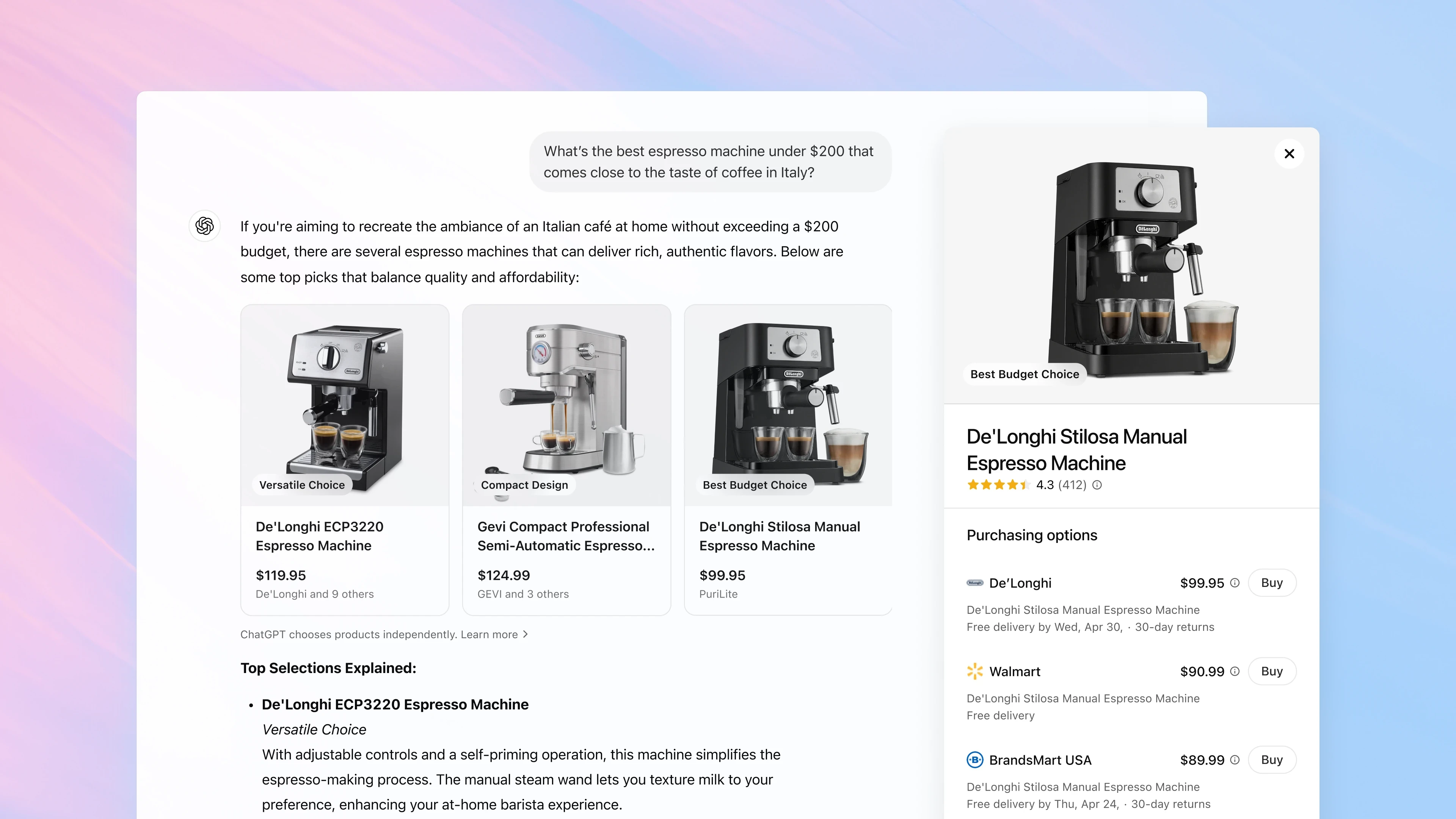
Traditional B2B commerce analytics revolve around the owned web channel. But as of 2026, buyers discover products through a much more fragmented and dynamic landscape, including AI-powered engines, social media referrals, YouTube, and interaction with generative tools like ChatGPT. According to Practical Ecommerce, even low-volume AI traffic can outperform organic search for engagement quality. At the same time, new Search Console capabilities allow B2B teams to measure product visibility and clicks not only for classic search, but across linked video and social profiles. The implication is clear: visibility, buyer intent, and revenue opportunities live across channels, and measurement routines must evolve accordingly. For leadership, the challenge is no longer just activating the right channels, but unifying analytics to attribute discovery and revenue wherever buyers engage.

Defining Multi-Channel Analytics: The Strategic Category for B2B Growth

Category clarity is overdue. 'Omnichannel' once meant adding digital to physical sales, but today’s multi-channel analytics must recognize web, video, social, and AI-driven answer engines as coequal sources of discovery and revenue. This emerging category demands a workflow and reporting model where product discovery through a TikTok video, a YouTube how-to, or a ChatGPT suggestion can be directly compared, attributed, and tied back to structured product data and conversion. This is not merely a technical requirement, it’s a business imperative for B2B leaders dealing with complex buying cycles. By operationalizing this broader definition, teams can move analytics from supporting role to a strategic driver, informing decisions on syndication, content, and workflow automation. AI Commerce Cloud frames this category around unified data infrastructure, structured product information, and incremental automation, making meaningful attribution possible, not just for organic web, but across every digital touchpoint.

Workflows: Connecting Disparate Channel Data in Practice

The shift to multi-channel measurement starts with actionable routines. First, connect all organization-owned web, video (YouTube), and social (Instagram, LinkedIn) profiles to Search Console for comprehensive visibility data. Next, configure analytics tools such as Google Analytics 4 to identify traffic sources, including AI referrals like ChatGPT, using custom source/medium reporting. Practical Ecommerce suggests filtering GA4 traffic by 'gpt' to surface engaging AI-driven sessions. Build a repeatable process:

  • Weekly extract visibility and traffic data by channel.

  • Segment discovery sessions that originate from answer engines or external AI tools.

  • Map product-level clicks and entrances across video, social, and web content.

  • Link product data syndication efforts to downstream engagement, revenue, and ROI.
    Enriched, structured product data is essential. Syndication quality and schema readiness can radically boost both AI and social discoverability while powering accurate cross-channel analytics. Internal knowledge-base resources (such as How AI Commerce search works) provide further step-by-step documentation tailored for operational teams.

The shift to multi-channel measurement starts with actionable routines. First, connect all organization-owned web, video (YouTube), and social (Instagram, LinkedIn) profiles to Search Console for comprehensive visibility data. Next, configure analytics tools such as Google Analytics 4 to identify traffic sources, including AI referrals like ChatGPT, using custom source/medium reporting. Practical Ecommerce suggests filtering GA4 traffic by 'gpt' to surface engaging AI-driven sessions. Build a repeatable process:

  • Weekly extract visibility and traffic data by channel.

  • Segment discovery sessions that originate from answer engines or external AI tools.

  • Map product-level clicks and entrances across video, social, and web content.

  • Link product data syndication efforts to downstream engagement, revenue, and ROI.
    Enriched, structured product data is essential. Syndication quality and schema readiness can radically boost both AI and social discoverability while powering accurate cross-channel analytics. Internal knowledge-base resources (such as How AI Commerce search works) provide further step-by-step documentation tailored for operational teams.

Attributing Revenue: New KPIs for the AI Commerce Era

With cross-channel tracking in place, measurement ambition must increase. Legacy KPIs like 'web visits' are insufficient for multi-modal visibility. Instead, seek to attribute:

  • Total product discoveries (Web + Video + Social + AI referrals)

  • Click-to-engage and assisted conversions by channel

  • Content or format-driven influence (e.g., purchase by YouTube demo, LinkedIn feature, answer engine referral)

  • Incremental revenue from new AI/syndication channels

  • Data quality-driven uplift: Are improvements to structured product data or enrichment directly boosting discoverability/conversion?
    Crucially, AI-assisted traffic, such as from ChatGPT or answer engines, may represent a smaller volume but delivers high-value engagement, as market evidence shows. Reporting must make these sources visible in dashboards, and connect assisted conversions to individual product data nodes and workflows. By evolving metrics, B2B teams can justify investment in content, syndication, and automation as direct revenue drivers, not side projects.

Turning Data into Action: Commercial Governance and Next Steps

Operationalizing multi-channel analytics is only half the journey. Forward-looking B2B organizations use these insights to inform syndication strategies, optimize product data enrichment, and prioritize content formats that drive the most valuable discovery across channels. With a single data foundation, as championed by AI Commerce Cloud, governance becomes practical, and automation can be introduced safely: e.g., updating product listings, enriching attributes that boost social or AI engine discovery, or investing in high-performing touchpoints.
To scale the impact:

  • Regularly audit channel-specific visibility and revenue

  • Tie every analytics workflow back to structured product data improvements

  • Set explicit cross-channel benchmarks: Is video discovery driving more orders for certain SKUs? Does AI referral correlate with higher retention?

  • Involve commercial leaders in analytics reviews to ensure business relevance
    For detailed technical routines and platform-specific guides, consult the AI Commerce Cloud knowledge base or reach out to our team for a workflow assessment.

Operationalizing multi-channel analytics is only half the journey. Forward-looking B2B organizations use these insights to inform syndication strategies, optimize product data enrichment, and prioritize content formats that drive the most valuable discovery across channels. With a single data foundation, as championed by AI Commerce Cloud, governance becomes practical, and automation can be introduced safely: e.g., updating product listings, enriching attributes that boost social or AI engine discovery, or investing in high-performing touchpoints.
To scale the impact:

  • Regularly audit channel-specific visibility and revenue

  • Tie every analytics workflow back to structured product data improvements

  • Set explicit cross-channel benchmarks: Is video discovery driving more orders for certain SKUs? Does AI referral correlate with higher retention?

  • Involve commercial leaders in analytics reviews to ensure business relevance
    For detailed technical routines and platform-specific guides, consult the AI Commerce Cloud knowledge base or reach out to our team for a workflow assessment.

From Channel Silo to Strategy: The Future of B2B Measurement

As search, social, and AI-powered engines converge, competitive B2B teams are shifting from viewing analytics as a compliance task to embracing category-leading measurement infrastructure. The future belongs to those who operationalize structured product data, connect all touchpoints, and measure revenue not by department, but by true buyer journey. Category leaders will treat analytics as a strategic asset, not a sidecar. By embedding commercial KPIs in every discovery workflow, B2B commerce finally achieves continuous improvement, turning channel complexity into a clear growth lever.
To unlock the value of your multi-channel discovery analytics, connect your product data and review your workflows. Book a consult with AI Commerce Cloud to map next steps for your organization.
Contact AI Commerce Cloud to discuss how these priorities apply to your B2B commerce roadmap.

As search, social, and AI-powered engines converge, competitive B2B teams are shifting from viewing analytics as a compliance task to embracing category-leading measurement infrastructure. The future belongs to those who operationalize structured product data, connect all touchpoints, and measure revenue not by department, but by true buyer journey. Category leaders will treat analytics as a strategic asset, not a sidecar. By embedding commercial KPIs in every discovery workflow, B2B commerce finally achieves continuous improvement, turning channel complexity into a clear growth lever.
To unlock the value of your multi-channel discovery analytics, connect your product data and review your workflows. Book a consult with AI Commerce Cloud to map next steps for your organization.
Contact AI Commerce Cloud to discuss how these priorities apply to your B2B commerce roadmap.

​

​

​

​

​

​

How can B2B teams track product discovery from AI engines like ChatGPT?
Which new KPIs should B2B commerce measure across channels?
Why is structured product data critical for multi-channel analytics?
How does AI Commerce Cloud support unified analytics?
Where can I find detailed technical routines for channel measurement?
​
Lauri Koskensalo

Lauri Koskensalo

Head of Growth

Lauri Koskensalo serves as Head of Growth at AI Commerce Cloud, focusing on B2B commerce, product information management, and digital sales processes. He helps companies leverage modern commerce solutions, AI, and automation to build more efficient sales and scalable growth.

info@aicommerce.fi

Footer image AI Commerce Cloud

Ready to see it in action?

Experience how automation and integrations simplify your daily work.

Talk to sales

English
AI Commerce Cloud

FI3180370-3

Ranta-Tampellan Katu 17 33180 Tampere, Finland

info@aicommerce.fi

Ask AI about AI Commerce Cloud

OpenAI Logo
Claude Logo
Claude Logo
Gemini Logo

© 2026 AI Commerce Cloud. All rights reserved.

Footer image AI Commerce Cloud

Ready to see it in action?

Experience how automation and integrations simplify your daily work.

Talk to sales

English
AI Commerce Cloud

FI3180370-3

Ranta-Tampellan Katu 17 33180 Tampere, Finland

info@aicommerce.fi

Ask AI about AI Commerce Cloud

OpenAI Logo
Claude Logo
Claude Logo
Gemini Logo

© 2026 AI Commerce Cloud. All rights reserved.

Footer image AI Commerce Cloud

Ready to see it in action?

Experience how automation and integrations simplify your daily work.

Talk to sales

English
AI Commerce Cloud

FI3180370-3

Ranta-Tampellan Katu 17 33180 Tampere, Finland

info@aicommerce.fi

Ask AI about AI Commerce Cloud

OpenAI Logo
Claude Logo
Claude Logo
Gemini Logo

© 2026 AI Commerce Cloud. All rights reserved.

Talk to our experts