Lauri Koskensalo
Head of Growth
6
min read
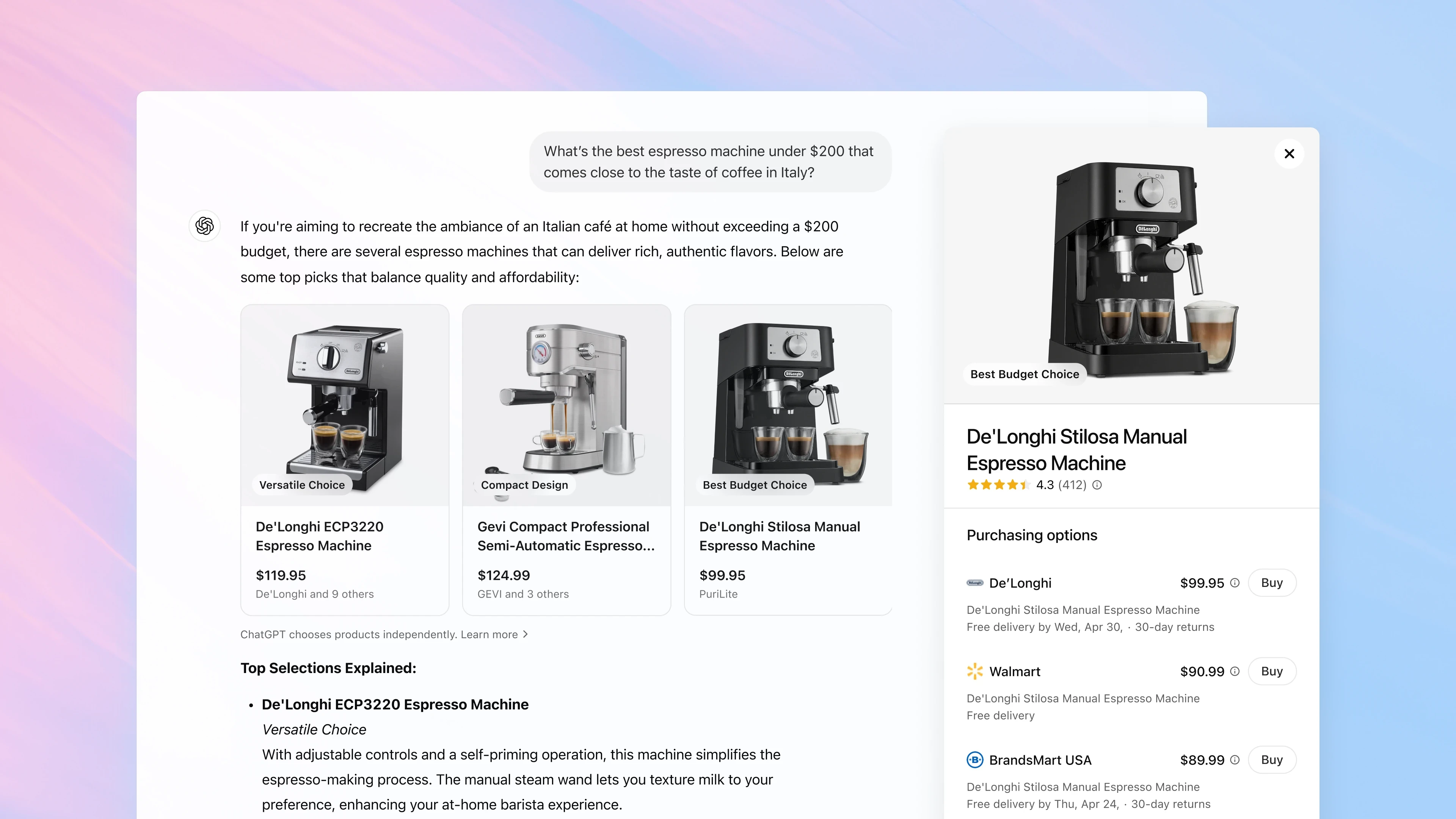
In B2B digital commerce, product data syndication has moved from an afterthought to a strategic operating model. As digital channels diversify, encompassing not only web shops and classic marketplaces but also procurement portals, industry platforms, and AI-powered answer engines, the ability to deliver accurate, enriched product content everywhere buyers discover and transact has become foundational. The rise of generative AI in commerce means that both human and AI-assisted buyers demand content that is readily consumable, structured, and maintained in real time.
Syndication today is about more than copying data from PIMs or ERP systems. It is the hard operational discipline of translating product information into the formats, schemas, and enrichment levels needed by an expanding ecosystem. For B2B teams, this shift demands new workflows, governance models, and automation tactics to keep pace with channel requirements and avoid friction in the buyer journey.
Mapping the Modern Multichannel Landscape
The new terrain of B2B product data syndication extends well beyond classic online marketplaces. Today, buyer journeys often begin on search engines, vertical procurement networks, and increasingly within answer engines, AI platforms that respond directly to product queries with structured information, not just links.
This means manufacturers and distributors must master syndication to:
Company-owned webshops with enriched, governed data
B2B marketplaces and procurement platforms requiring strict categorization, pricing, and compliance fields
AI answer engines, which expect schema-rich and contextually relevant product content
Retail partner sites, where product data needs to map seamlessly to local categories, units, and regulations
Optimizing for this landscape requires centralizing and structuring product data once, then dynamically transforming and syndicating it to each channel’s evolving requirements.
Building an AI-Ready Product Data Foundation
Operational Workflows for Accurate Syndication
Moving from strategy to daily execution requires operational workflows that turn data governance into channel-ready syndication. Leading B2B teams automate key syndication steps to ensure accuracy and minimize repetitive manual work:
Real-time or scheduled exports to each channel, using APIs, feeds, or flat files
Channel-specific transformations: adjusting attribute sets, language, units, or compliance data as required
Automated validation to flag missing or deprecated attributes before publishing
Governance workflows for approving changes, especially for regulated or configurable products
Automating these steps reduces errors and accelerates speed to market. Ensure your PIM or ecommerce platform supports modular syndication logic, making it easy to add new channels or update requirements without reinventing the wheel.
Evolving for Answer Engines and AI Buyers
Common Pitfalls and Governance Best Practices
As syndication becomes more automated and multi-channel, the risks compound if governance isn’t built in. Common pitfalls include:
Letting local channel teams alter data inconsistently, fragmenting product records
Failing to track changes across channel-specific transformations
Over-relying on manual uploads that quickly fall out of sync
Neglecting compliance or regulatory fields required by some marketplaces
Best practices:Centralize all transformations, approvals, and logs within your master data system
Use versioned, auditable workflows for any channel-specific override
Schedule QA checks before syndication events and at defined intervals
When executed well, effective governance supports both speed and control, ensuring every channel is aligned, up to date, and ready for smarter, AI-assisted buying journeys.
Checklist: Operationalizing Syndication in Your Organization
Sources
What is B2B product data syndication?
Why is AI-ready syndication critical now?
Which data foundation is needed for syndication?
What automation tactics support effective syndication?
How does this benefit revenue?
Table of contents
You might also like










Talk to our experts