The B2B Product Page Transformation: Beyond Traditional Specs

The B2B Product Page Transformation: Beyond Traditional Specs

Enhance B2B product pages with operational visual data and machine-readable content to support AI agent discovery and touchless digital buying workflows.

The B2B Product Page Transformation: Beyond Traditional Specs

The B2B Product Page Transformation: Beyond Traditional Specs

Enhance B2B product pages with operational visual data and machine-readable content to support AI agent discovery and touchless digital buying workflows.

Lauri Koskensalo
Lauri Koskensalo

Head of Growth

8

min read
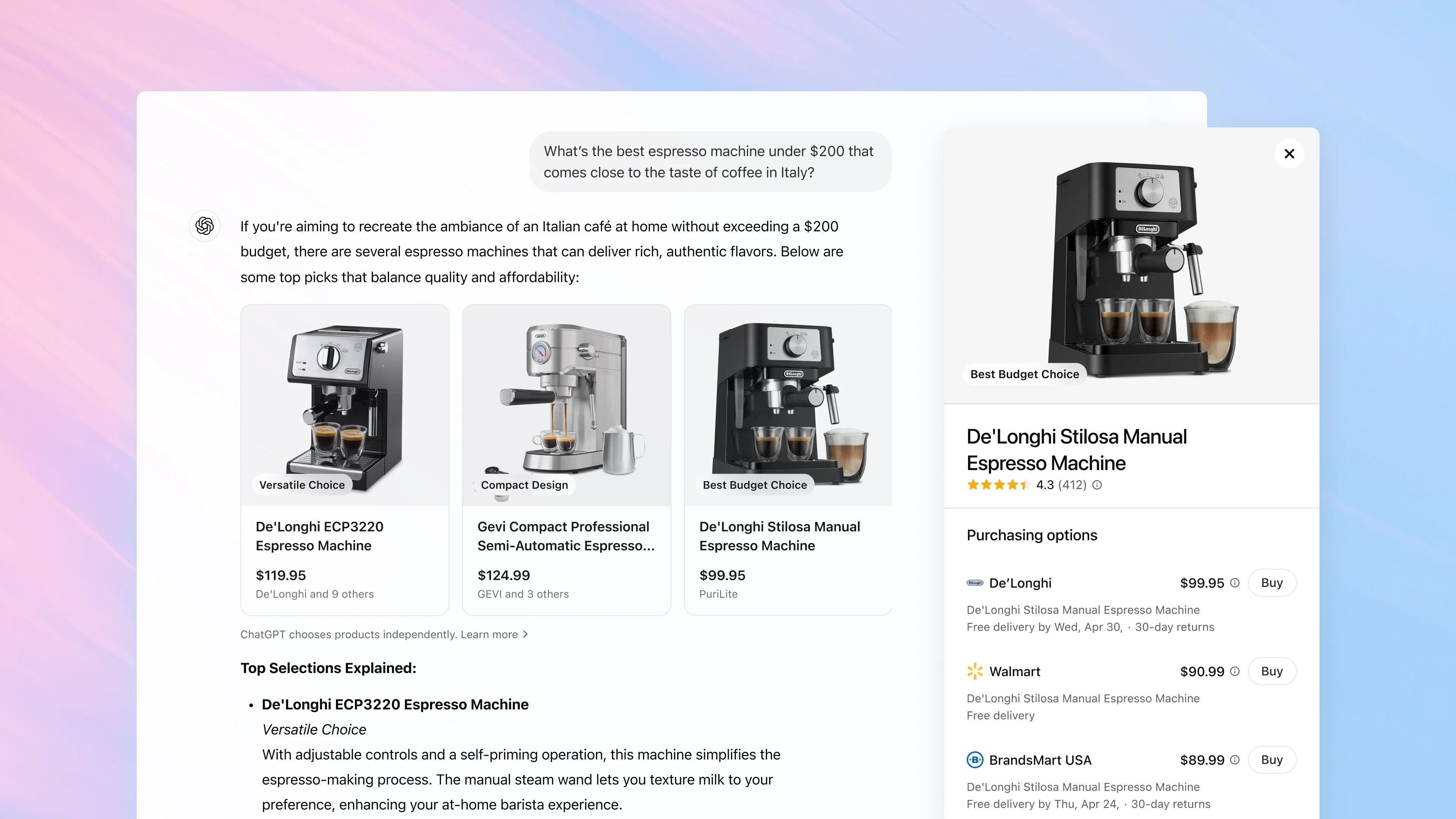
B2B ecommerce leaders are facing a pivotal shift: the classic product page, once defined by static images, bullet-point specs, and minimal context, no longer meets the rising expectations of digital buyers or AI agents. According to Practical Ecommerce, tactile, transformation, and process-focused visuals are now essential in online product discovery because they help buyers experience attributes like texture, flexibility, or in-use performance that previously required physical touch.
In industrial and wholesale commerce, decision-makers can rarely inspect products firsthand. As a result, buyers rely on enriched digital experiences, especially as more purchasing flows move from human-led interaction to algorithm-driven, touchless journeys. At the same time, AI agents and discovery platforms are rapidly becoming primary points of entry, not only for simple search but for complex purchasing scenarios.
In this context, next-generation B2B product pages must be designed for both human confidence and machine-actionability. The page is no longer just a catalog entry: it becomes a structured, operational interface that powers buyer self-service, AI recommendations, and efficient collaboration between sales teams and digital assistants.

Operationalizing Visual Data: Showing What Buyers Can't Touch

One of the most persistent challenges in B2B commerce is replicating the tactile and process-based experience of physical product evaluation. Recent evidence shows that effective product pages must "show online what shoppers can’t touch": images and videos should go beyond static beauty shots, revealing texture, functionality, and transformation over time.
Industrial buyers need visuals that answer real operational questions, how does a seal compress under pressure, how does a finish behave under different lighting, or how simple is a tool to assemble and deploy? High-fidelity photos showing products in use, close-ups highlighting material properties, and demonstration videos make these qualities visible on-screen. Such content directly reduces the uncertainty that slows B2B conversion and increases reliance on sales reps.
Governance is critical: catalog teams should standardize guidelines for lighting, angles, and demonstration content to ensure all product data is operationally complete and accessible. This structured approach to visual merchandising also helps future-proof the page for AI-driven discovery and analysis, making every new image an asset for both people and intelligent agents.

Machine-Readable Content: The Foundation for AI Agent Discovery

With the rising adoption of multimodal search, vector search, and conversational AI agents, the product page’s machine-readability is as important as its visual appeal. Structured data, including attributes, features, compatibility, pricing, and inventory, must be encoded in formats accessible to both human buyers and AI agents.
This means deploying semantic markup, maintaining up-to-date product attribute sets, and linking visual content to concrete technical properties. For example, a video showing a hydraulic fitting installed should be tied to attribute data on size, pressure rating, and compatible equipment, enabling AI agents to recommend and validate options in context.
AI-ready B2B product content also requires robust content pipelines and PIM (Product Information Management) systems. Teams should establish workflows for tagging, updating, and syndicating structured product data alongside images, specs, and usage guides. As new buying scenarios emerge, from customer-specific pricing to agent-initiated procurement, the ability to programmatically access and process content becomes a non-negotiable operational asset.
For practical guidance on structuring product data for AI search effectiveness, see the AI Commerce Cloud Help Center’s article on how AI commerce search works.

Tactile and Process Visualization: The B2B Differentiator

The standard B2B product photo often falls short for industrial buyers, who need to see not just 'what it is', but 'how it behaves.' Digital commerce leaders are now prioritizing imagery and videos that capture tactile realities and operational context. For materials, this means angled photos with lighting to show surfaces, macro shots for texture, and time-lapse sequences for wear or application transformations.
Process visualization takes center stage for kits, assemblies, or consumables. A client evaluating a new filtration system expects a sequence illustrating installation steps, maintenance cycles, and operational workflow integration. Such visual narratives, paired with downloadable guides and clear, structured specs, dramatically increase both buyer confidence and agentic discoverability.
Standardizing this type of content requires collaboration between product managers, engineers, and content specialists. Teams should create visual content checklists for each product class, specifying required ‘in-action’ shots and necessary usage demos. This operational discipline transforms visual merchandising from a branding asset into a sales tool, fueling not only human conversion but AI-assisted and agentic commerce scenarios.

Preparing Data and Workflows for Agentic, Touchless B2B Buying

As buyer journeys become increasingly touchless, and AI agents take on more procurement and product discovery tasks, B2B product pages must become reliable interfaces for machine-driven workflows. A product page optimized for agentic commerce ties each component, visuals, specs, regulatory compliance, availability, and documentation, to a well-governed source of truth (often an integrated PIM or ERP system).
Process and data governance are foundational: workflows must track image quality, metadata completeness, and alignment between visuals and technical attributes. Errors or inconsistencies here can break not only the buyer experience but also AI-driven search, recommendation, and automated reordering.
Industrial and wholesale sellers should implement rigorous operational checklists: are all product images tagged with function and usage context? Are demonstration videos linked to technical specs? Can an AI agent extract relevant technical, safety, or compliance data on-demand? Only with this level of discipline on the product page can B2B teams unlock the conversion and efficiency potential of agentic commerce.
For additional tips on running robust B2B digital sales operations, visit the AI Commerce Cloud knowledge base.

Analytics: Tracking Visual Data and AI-Driven Conversion

Operationalizing visual and AI-ready product pages is only valuable if B2B teams can measure the impact. Analytics should go beyond traditional on-page engagement or click-through rates; teams need visibility into how visual content, structured data, and AI-assisted discovery affect conversion and lifetime value.
Best practice is to tag demonstration videos, tactile imagery, and process shots as discrete assets within analytics platforms, allowing teams to attribute downstream conversion or buyer queries to the type and quality of content present. As multimodal AI search and agentic commerce drive more traffic, maintaining traceability from visual asset to buying decision becomes critical for continuous improvement.
Forward-looking analytics strategies also include tagging machine-driven events, such as agent-driven product recommendations or automated reorders, to distinguish between human and agentic journeys. This data helps B2B organizations refine product page content, governance, and workflow priorities for maximum commercial value.

Applying It: A Next-Generation Product Page Checklist

Ready to operationalize your B2B product pages for agentic commerce and AI readiness? Use this practical checklist:

  • Include high-fidelity, well-lit images that show detailed texture, form, and context of use

  • Add demonstration videos for assemblies, process steps, and transformation over time

  • Ensure all content is governed: consistent angles, lighting, usage depiction, and metadata

  • Tag and link visuals directly to structured product attributes and specs

  • Maintain up-to-date, machine-readable product data via PIM or integrated commerce workflows

  • Link regulatory, compatibility, and safety documentation to both visual and structured content

  • Track and analyze engagement with each content type and source robot-driven actions
    This operational focus, not just surface-level enhancement, is what enables B2B product pages to unlock both buyer trust and the full potential of next-generation, AI-assisted commerce.

Ready to Build AI-Ready B2B Product Pages?

Bringing B2B product pages into the era of agentic commerce is not a one-off redesign, but an ongoing operational evolution. Teams should elevate visual data, maintain machine-readable structures, and tightly govern workflows, all with an eye on measurable efficiency and discoverability for both human buyers and AI agents.
For manufacturers, distributors, and wholesalers, now is the moment to invest in visual and operational content pipelines that power not just today’s digital buyers, but tomorrow’s autonomous commerce systems. If you’re ready to take concrete, commercially grounded steps toward AI-ready product pages, book a live strategy call with AI Commerce Cloud.
Contact AI Commerce Cloud to discuss how these priorities apply to your B2B commerce roadmap.

​

​

How do operational visual data and tactile imagery increase B2B conversion?
What is the most important operational step in making B2B product pages AI-ready?
How do analytics change when using visual and AI-driven discovery?
Why is process visualization now expected on B2B product pages?
How do I get started with AI Commerce Cloud for visual data and product discovery?
​
Lauri Koskensalo

Lauri Koskensalo

Head of Growth

Lauri Koskensalo serves as Head of Growth at AI Commerce Cloud, focusing on B2B commerce, product information management, and digital sales processes. He helps companies leverage modern commerce solutions, AI, and automation to build more efficient sales and scalable growth.

info@aicommerce.fi

Footer image AI Commerce Cloud

Ready to see it in action?

Experience how automation and integrations simplify your daily work.

Talk to sales

English
AI Commerce Cloud

FI3180370-3

Ranta-Tampellan Katu 17 33180 Tampere, Finland

info@aicommerce.fi

Ask AI about AI Commerce Cloud

OpenAI Logo
Claude Logo
Claude Logo
Gemini Logo

© 2026 AI Commerce Cloud. All rights reserved.

Talk to our experts