Lauri Koskensalo
Head of Growth
7
min read
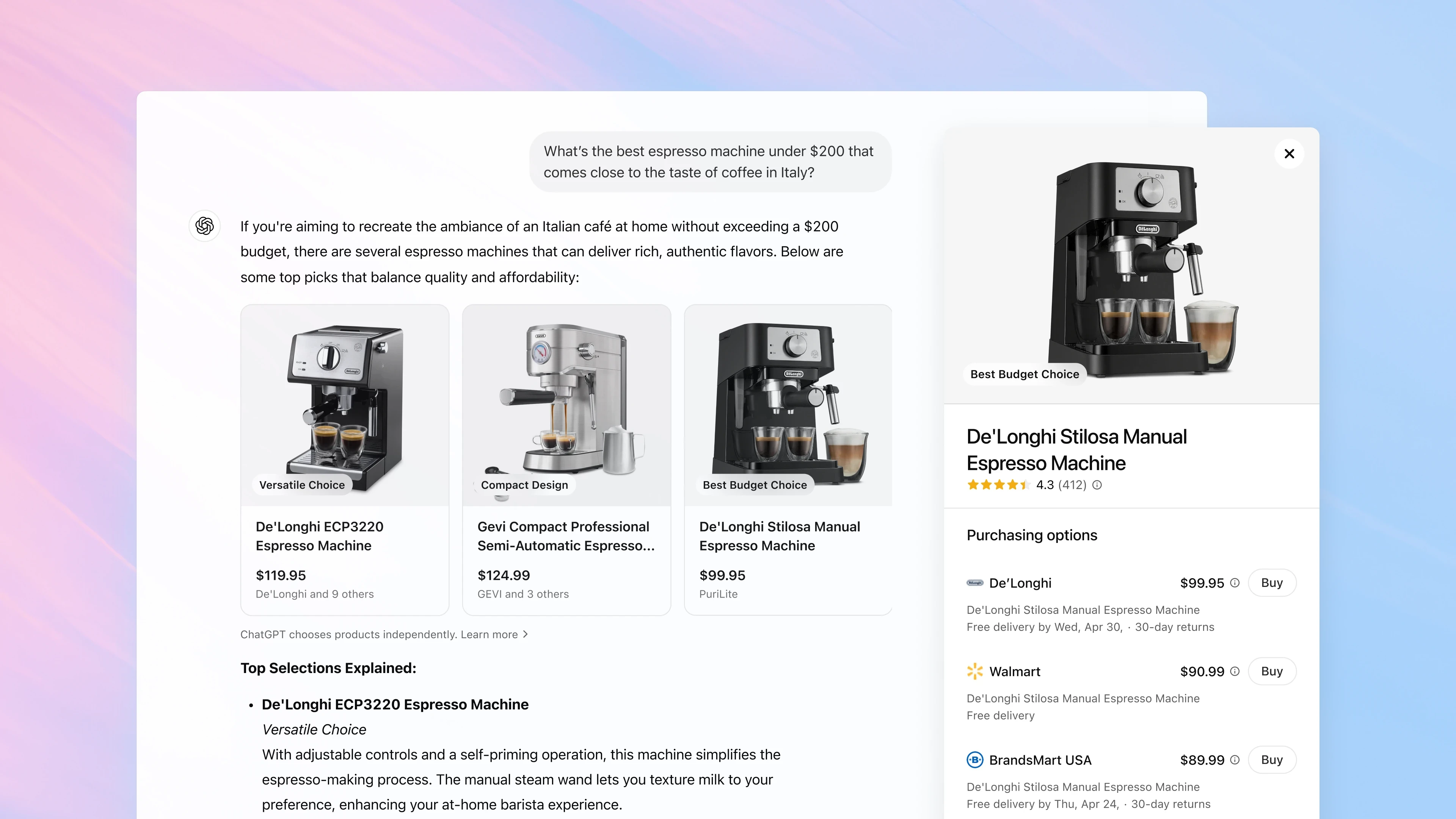
Omnichannel commerce is no longer just an aspiration for B2B organizations, it is emerging as a business-critical operating discipline. Recent industry analysis highlights a persistent challenge: while most B2B teams understand the need for seamless cross-channel experiences, few are operationally equipped to deliver them at scale. Classic omnichannel is often constrained to isolated digital initiatives or basic product information sync. Today, leading B2B companies recognize that channel readiness and customer experience consistency are grounded in the reliability, governance, and automation of core commerce data, especially product, inventory, pricing, and customer-specific agreements.
The need for operational excellence is accentuated as buyers expect familiar, personalized, and accurate interactions whether they engage online, via sales reps, or through distribution partners. The true differentiator is not just presence on multiple channels, but the ability to govern and automate product data, pricing logic, and customer journeys in a unified, scalable manner. This shift sets the stage for AI-assisted buying and incremental agentic commerce, as decision-ready data underpins every sales touchpoint.
The Foundations: Unified Product Data and Structured Commerce
Automation as an Omnichannel Force Multiplier
The complexity of B2B commerce, quotations, contract pricing, inventory controls, regulatory requirements, can’t be managed effectively through spreadsheet-driven or manual processes. Automation is what transforms unified product data into a scalable omnichannel engine.
Automated workflows standardize the creation, enrichment, and validation of product content, orchestrating syndicated updates across web stores, sales portals, and partner channels. Dynamic pricing engines can automatically adjust for customer segments, markets, and contract terms without human rework. Order routing, approval chains, and customer onboarding are governed without introducing channel friction. This not only reduces operational risk and time-to-market, but provides data certainty to fuel AI-driven personalization and recommendations.
Leading B2B organizations report that this operational backbone is what enables rapid market expansion and consistent service for top accounts, regardless of channel. Automated governance doesn’t replace human accountability, it operationalizes it, freeing expert teams to focus on high-value work.
AI’s Role: Beyond Personalization into Predictive Commerce
Enabling True Cross-Channel Consistency: Process and Governance
Consistency in omnichannel isn’t just technical: it’s organizational. The most successful B2B teams align on a shared process model that governs how product data, pricing strategies, and customer journeys are maintained, versioned, and adapted for each channel.
This means documenting approval workflows, embedding audit trails, and enabling business users to preview and route changes before they go live. Flexible integrations connect core systems (ERP, PIM, CRM) to downstream commerce and marketing channels, reducing siloed updates and duplication. As outlined in industry playbooks, channel expansion is most sustainable when it builds on a single source of truth: a central product data hub, automated syndication logic, and an explicit governance model supporting compliance and continuous improvement.
Companies taking this operational approach report dramatically faster time-to-market, reduced manual intervention, and fewer customer complaints related to price, inventory, or specification mismatches.
Benchmarks: What Operational Omnichannel Looks Like in Practice
According to recent benchmarks highlighted by Practical Ecommerce and Digital Commerce 360, B2B organizations achieving operational omnichannel maturity share several key characteristics:
Over 80% of product data updates are validated and published automatically to all sales channels within 48 hours
Customer-specific pricing and contract rules are managed through rule-based automation, not offline spreadsheets
Less than 10% of orders require manual intervention from sales or support teams
New channel onboarding (marketplace, distributor portal, international storefront) takes weeks, not months
Buyer satisfaction improves measurably due to fewer order errors and faster support resolution
As peer case studies illustrate, these gains depend on unifying data, automating workflows, and embedding AI where decisions or predictions drive commercial value. The operational omnichannel agenda is not just a digital upgrade, it’s a revenue and margin multiplier.
Checklist: Building Your Operational Omnichannel Foundation
Next Steps: Operationalize Your Omnichannel Ambitions
Sources
What is operational omnichannel in B2B commerce?
Why is unified product data critical to omnichannel success?
How does automation support omnichannel growth?
What role does AI play in operational omnichannel?
Where can I learn more about product data management and AI in commerce?
Table of contents
You might also like










Talk to our experts