Why AI Guardrails are Now a Critical Commerce Imperative

Why AI Guardrails are Now a Critical Commerce Imperative

As B2B commerce teams scale automation, placing actionable guardrails on AI-driven workflows, text generation, and campaign automation has become a crucial requirement, not just for compliance, but to protect brand integrity, regulatory posture, and commercial outcomes. This tactical guide provides

Why AI Guardrails are Now a Critical Commerce Imperative

Why AI Guardrails are Now a Critical Commerce Imperative

As B2B commerce teams scale automation, placing actionable guardrails on AI-driven workflows, text generation, and campaign automation has become a crucial requirement, not just for compliance, but to protect brand integrity, regulatory posture, and commercial outcomes. This tactical guide provides

Lauri Koskensalo
Lauri Koskensalo

Head of Growth

6

min read
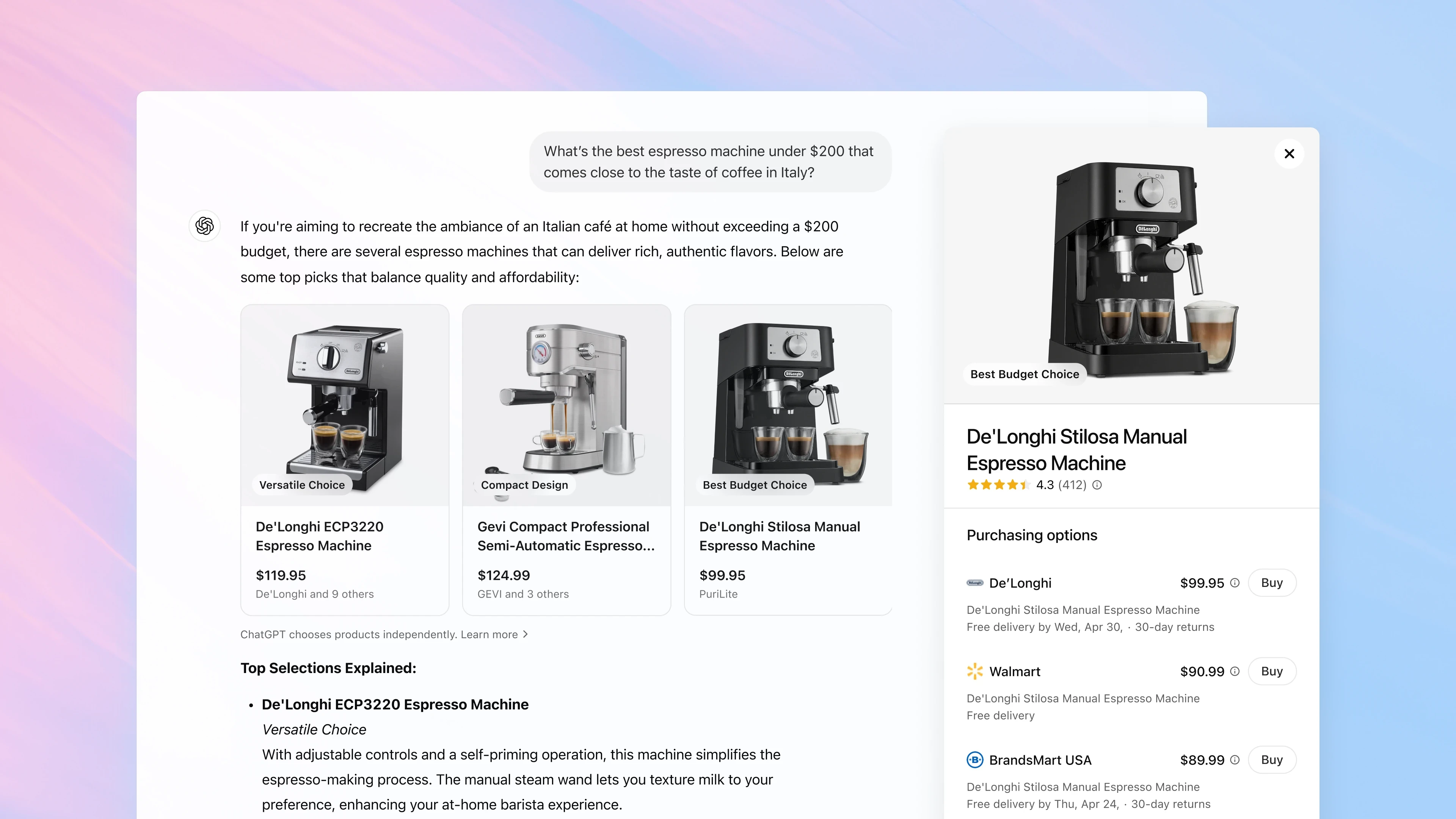
As B2B commerce shifts toward more agentic and automated workflows with AI, leaders face a new type of risk: generative AI making decisions, producing text, or running campaigns outside of commercial guardrails. Recent market evidence highlights that operational exclusions, such as negative keyword lists, persona limitations, or text guidelines, are just as impactful as targeting rules for AI-driven marketing and sales. Without explicit boundaries, AI systems can undermine brand credibility, regulatory compliance, or pricing discipline. This is especially crucial in B2B, where high-ticket transactions, contractual obligations, and complex approval chains amplify the risks of unchecked automation.
Advanced platforms now focus on setting operational boundaries up-front, defining not just what AI should do, but what it must never do. For B2B commerce leaders, the stakes are higher: inaccurate asset distribution or rogue campaign messaging can create contractual disputes and supply chain headaches. The shift is clear: AI guardrails are now a core enabler of safe, scalable automation and measurable business value. This framework helps teams address this new requirement in a structured, repeatable way.

The Four Pillars of Operational AI Guardrails

Effective AI governance for commerce automation rests on four essential pillars:

  1. Text Guidelines and Messaging DOs/DON'Ts: Set rules for what AI-generated content can and cannot say about products, pricing, and brand positioning. This includes both global directives (e.g. never use 'cheap') and campaign-specific exclusions.

  2. Negative Targeting and Exclusion Patterns: Beyond simple negative keywords, define exclusion lists for customer segments, regions, and use cases where automation is inappropriate or creates risk.

  3. Asset and Persona Constraints: Specify which assets (product images, documents, banners) and buyer personas are allowed or restricted for certain automations, to prevent mismatch or regulatory violations.

  4. Workflow and Approval Controls: Ensure AI-driven workflows include decision points for human review, escalation, or override based on risk thresholds or anomalous behavior.
    When these pillars are translated into configuration templates and embedded in the workflow, AI automation becomes an accelerator, not a liability, across marketing, sales, and operational processes.

Checklist: Building your B2B AI Guardrail Playbook

Use this practical checklist to build and document your own guardrail playbook:

  • Identify all marketing and sales processes leveraging generative AI or multi-agent orchestration.

  • Map out business-critical exclusions: Are there customer types, product lines, or geographies AI must not engage automatically?

  • Document text and language constraints: List branding terms, legal phrases, or negative words to explicitly block in AI-generated copy.

  • Specify asset boundaries: Which PDFs, product images, or sales decks are approved or banned for AI-surfaced recommendations?

  • Define escalation flows: For high-value transactions or flagged anomalies, is there an automated path to a human owner for approval or adjustment?

  • Implement audit logging: Ensure every AI action, especially overrides or blocked events, is trackable for governance reporting.
    B2B teams can operationalize these playbooks directly in platforms like AI Commerce Cloud, ensuring every automation aligns with the organization's rules and risk appetite.

Case Examples: Common Guardrails in Action

Consider how leaders are using operational guardrails:

  • Excluded Segments: A B2B distributor configures its product recommendation agent to never surface clearance items to enterprise accounts, preserving top-line margin and contractual value.

  • Text Restrictions: An industrial supplier programs negative text directives, ensuring AI-generated marketing assets never reference discounted pricing or generic competitor comparisons.

  • Asset Approval: A workflow automation is set so that any sales email enriched by AI must use compliance-vetted brochures for certain regulated product lines, with a checkpoint for manual review.

  • Event-Based Overrides: If AI proposes quoting terms outside the negotiated agreement for a strategic customer, automatic escalation routes the proposal to account management.
    For more operational examples and configurations, see the AI Commerce Cloud knowledge base.

Consider how leaders are using operational guardrails:

  • Excluded Segments: A B2B distributor configures its product recommendation agent to never surface clearance items to enterprise accounts, preserving top-line margin and contractual value.

  • Text Restrictions: An industrial supplier programs negative text directives, ensuring AI-generated marketing assets never reference discounted pricing or generic competitor comparisons.

  • Asset Approval: A workflow automation is set so that any sales email enriched by AI must use compliance-vetted brochures for certain regulated product lines, with a checkpoint for manual review.

  • Event-Based Overrides: If AI proposes quoting terms outside the negotiated agreement for a strategic customer, automatic escalation routes the proposal to account management.
    For more operational examples and configurations, see the AI Commerce Cloud knowledge base.

From Compliance to Commercial Value: Why Guardrails Accelerate Safe Automation

While AI guardrails are often seen as a compliance checkbox, the real commercial advantage comes from eliminating low-confidence automation and focusing on high-value, brand-safe actions. Effective governance accelerates business growth by freeing teams from repetitive manual review while protecting reputation, contract integrity, and customer trust.
When operational guardrails are clear and automated, teams can launch new campaigns, product launches, and pricing actions faster, knowing the AI cannot stray outside prescribed boundaries. This elevates AI from a tactical tool to a strategic enabler, promoting scalable, reliable automation that adds measurable value. See our architectural guide to data and workflow governance for agentic commerce for a deeper discussion of foundational controls.

While AI guardrails are often seen as a compliance checkbox, the real commercial advantage comes from eliminating low-confidence automation and focusing on high-value, brand-safe actions. Effective governance accelerates business growth by freeing teams from repetitive manual review while protecting reputation, contract integrity, and customer trust.
When operational guardrails are clear and automated, teams can launch new campaigns, product launches, and pricing actions faster, knowing the AI cannot stray outside prescribed boundaries. This elevates AI from a tactical tool to a strategic enabler, promoting scalable, reliable automation that adds measurable value. See our architectural guide to data and workflow governance for agentic commerce for a deeper discussion of foundational controls.

Implementing Guardrails in Your B2B Commerce Stack

Enterprises adopting more agentic workflows should prioritize operational guardrail features in their B2B commerce platforms and process documentation. This means integrating governance checklists into campaign and workflow design, and ensuring all generative AI components (content, recommendation, quotation, and order automation) reference a single source of structured business rules and exclusions.
Look for platforms that support:

  • Machine-readable, version-controlled text guidelines

  • Granular negative keyword/exclusion management

  • Asset and persona whitelist/blacklist logic

  • Built-in workflow escalation for exception handling

  • Transparent admin interfaces for updating rules and reviewing audit trails
    By making guardrail configuration and documentation an ongoing part of digital operations, B2B teams can scale safely, avoiding both compliance missteps and costly manual overrides in the AI era.

Take the Next Step: Align AI Automation with Your Brand and Risk Policies

Bringing operational guardrails to life is a team effort. Align IT, marketing, and sales around a clear, documented framework. Test and adjust guardrail rules as new edge cases arise. Most importantly, choose a B2B commerce foundation that enables both structured data and adaptive governance at scale.
AI Commerce Cloud provides practical tooling and documentation to integrate these guardrails into your daily AI-powered workflows. Ready to see how governance and automation can work together in your business? Book a consultation with our experts and take control of your AI commerce future.
Contact AI Commerce Cloud to discuss how these priorities apply to your B2B commerce roadmap.

Bringing operational guardrails to life is a team effort. Align IT, marketing, and sales around a clear, documented framework. Test and adjust guardrail rules as new edge cases arise. Most importantly, choose a B2B commerce foundation that enables both structured data and adaptive governance at scale.
AI Commerce Cloud provides practical tooling and documentation to integrate these guardrails into your daily AI-powered workflows. Ready to see how governance and automation can work together in your business? Book a consultation with our experts and take control of your AI commerce future.
Contact AI Commerce Cloud to discuss how these priorities apply to your B2B commerce roadmap.

​

​

​

​

What are AI guardrails in the context of B2B commerce automation?
Why do B2B organizations need operational guardrails for AI?
How do text guidelines differ from negative keywords?
What platforms support operational AI guardrails for B2B?
How can we update guardrails as business rules change?
​
Lauri Koskensalo

Lauri Koskensalo

Head of Growth

Lauri Koskensalo serves as Head of Growth at AI Commerce Cloud, focusing on B2B commerce, product information management, and digital sales processes. He helps companies leverage modern commerce solutions, AI, and automation to build more efficient sales and scalable growth.

info@aicommerce.fi

Footer image AI Commerce Cloud

Ready to see it in action?

Experience how automation and integrations simplify your daily work.

Talk to sales

English
AI Commerce Cloud

FI3180370-3

Ranta-Tampellan Katu 17 33180 Tampere, Finland

info@aicommerce.fi

Ask AI about AI Commerce Cloud

OpenAI Logo
Claude Logo
Claude Logo
Gemini Logo

© 2026 AI Commerce Cloud. All rights reserved.

Footer image AI Commerce Cloud

Ready to see it in action?

Experience how automation and integrations simplify your daily work.

Talk to sales

English
AI Commerce Cloud

FI3180370-3

Ranta-Tampellan Katu 17 33180 Tampere, Finland

info@aicommerce.fi

Ask AI about AI Commerce Cloud

OpenAI Logo
Claude Logo
Claude Logo
Gemini Logo

© 2026 AI Commerce Cloud. All rights reserved.

Footer image AI Commerce Cloud

Ready to see it in action?

Experience how automation and integrations simplify your daily work.

Talk to sales

English
AI Commerce Cloud

FI3180370-3

Ranta-Tampellan Katu 17 33180 Tampere, Finland

info@aicommerce.fi

Ask AI about AI Commerce Cloud

OpenAI Logo
Claude Logo
Claude Logo
Gemini Logo

© 2026 AI Commerce Cloud. All rights reserved.

Talk to our experts