Lauri Koskensalo
Head of Growth
6
min read
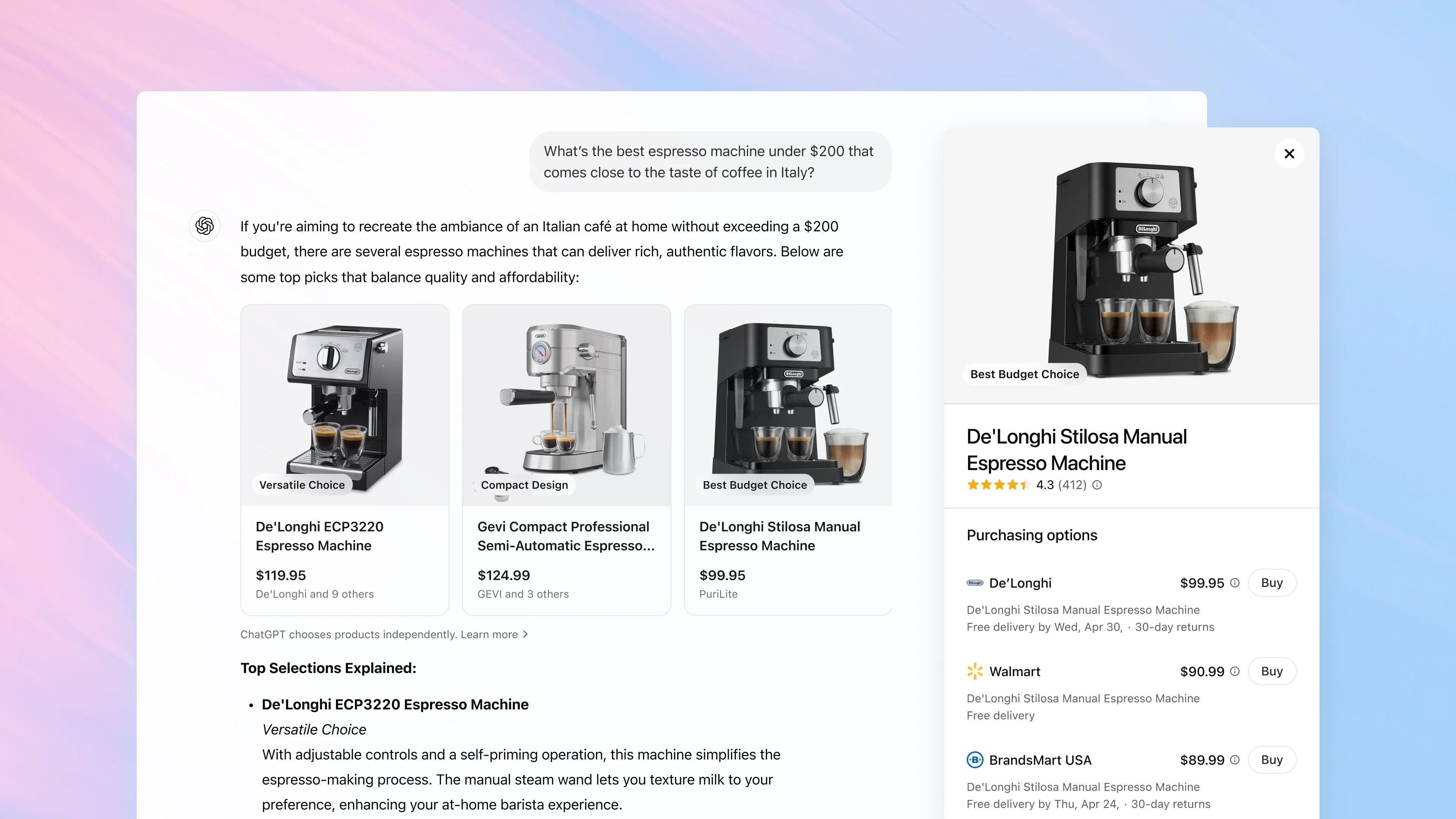
A new era of product discovery is underway in B2B commerce, driven by AI-powered agents, conversational interfaces, and generative search platforms. Buyers increasingly turn to tools like ChatGPT and answer engines, asking for recommendations, structured product comparisons, and purchase-ready links tailored to their needs. According to recent market research, these platforms now drive measurable referral traffic to B2B ecommerce sites, often bypassing traditional search and sales channels.
For B2B organizations, this channel shift brings both opportunity and operational complexity. AI-originated referrals tend to pre-qualify buyers more thoroughly: prospects arrive with focused intent, having received personalized product suggestions from data-rich algorithms. However, the rise of agentic commerce also introduces new tracking challenges. Standard attribution models and analytics routines are often blind to these sources, risking under-reporting of channel performance and missed revenue opportunities.
Capturing, analyzing, and converting this new class of traffic requires updated data models, analytics processes, and tight collaboration between sales, IT, and product data teams. B2B leaders who operationalize these workflows can surface high-intent buyers earlier, connect digital queries to sales conversations, and build repeatable value from AI-powered product discovery.
The Analytics Stack: Measuring AI-Driven Referrals in Practice
To reliably measure traffic and leads originating from AI agents and generative answer engines, B2B teams need a robust analytics setup. According to Practical Ecommerce, ChatGPT and similar engines often append source tags such as “utm_source=chatgpt.com” to links they generate. Modern analytics platforms like GA4 can detect and isolate these sessions, enabling precise filtering and attribution.
A practical routine: In GA4, navigate to Reports → Life cycle → Acquisition → Traffic acquisition. Filter by 'Session source/medium' and specify values like “chatgpt.com / feed.” This exposes which pages, products, or categories are being surfaced by LLM engines. Deepen this by adding a secondary dimension for 'Page path' to see which SKUs or content attract AI-driven clicks.
This emerging best practice requires marketing, analytics, and technical teams to review source codes regularly, establish custom channel groupings for AI engines, and map these flows to subsequent customer activity, especially in complex B2B journeys where conversion may span multiple touchpoints. Accurate attribution creates the basis for downstream revenue analysis and commercial follow-up.
Enabling Structured Data for Answer Engine Optimization
Generative engines and AI agents rely heavily on structured product data to formulate recommendations and links. Unlike legacy search or social traffic, answer engines scrape, interpret, and filter product information directly from your structured data feeds, schema markup, and PIM systems.
For B2B, this means that product taxonomy, technical attributes, customer-specific pricing, and business rules must be reliably structured and accessible. Gaps in product data quality or description fields may result in missed opportunities: if an LLM cannot confidently match buyer intent to product attributes, it may omit or misrepresent your offering in its recommendations.
To operationalize answer engine optimization, align your product information management workflows to AI-friendly standards. This includes regularly validating structured data exports, testing product visibility with sample queries in popular generative platforms, and updating schema markup to reflect correct categories, features, and differentiators. B2B teams should also coordinate with sales and product owners to ensure that unique commercial logic, such as volume pricing or custom configurations, is clearly represented in machine-readable form.
From Clicks to Revenue: Monetizing AI Traffic with B2B Workflows
Capturing AI-originated traffic is only the first step, its true business value depends on how efficiently B2B teams convert these clicks into revenue and relationships. Given the complexity of B2B buying (account-based flows, quotes, longer cycles), post-click automation and sales handoff routines need to be in place.
Practical frameworks include: Dedicated landing experiences for AI-originated sessions that surface tailored support, clear next steps, or rapid handoff to a live sales agent. Automated nurturing or quoting workflows based on source tags, routing high-intent AI referral leads to account teams for follow-up. Integrations between analytics systems and CRM/order management platforms to connect digital-origin journeys with real-world contract and revenue data.
Operationalizing this cross-channel flow may require workflow automation, dynamic content blocks triggered by UTM tags, or behavioral scoring that prioritizes agent-referred leads. Successful teams measure not only the quantity of AI-driven visits, but the end-to-end conversion, average order value, and retention rates from this high-intent channel.
Governance and Data Quality: The Foundation for Reliable Attribution
From Analytics to Growth: Next Steps for B2B AI Referral Leaders
Sources
How can B2B teams track AI-driven product referrals in their analytics platforms?
Why does structured product data matter for AI agent referrals?
What operational changes are needed to monetize AI referral traffic?
How should B2B organizations ensure data governance in AI commerce channels?
Where can teams find more technical guidance for AI referrals in B2B commerce?
Table of contents
You might also like










Talk to our experts