Why New B2B Brands Now Demand an Operational Playbook

Why New B2B Brands Now Demand an Operational Playbook

Learn how B2B leaders can launch new brands or product lines using agentic commerce infrastructure, with steps to avoid data and workflow pitfalls.

Why New B2B Brands Now Demand an Operational Playbook

Why New B2B Brands Now Demand an Operational Playbook

Learn how B2B leaders can launch new brands or product lines using agentic commerce infrastructure, with steps to avoid data and workflow pitfalls.

Lauri Koskensalo
Lauri Koskensalo

Head of Growth

6

min read
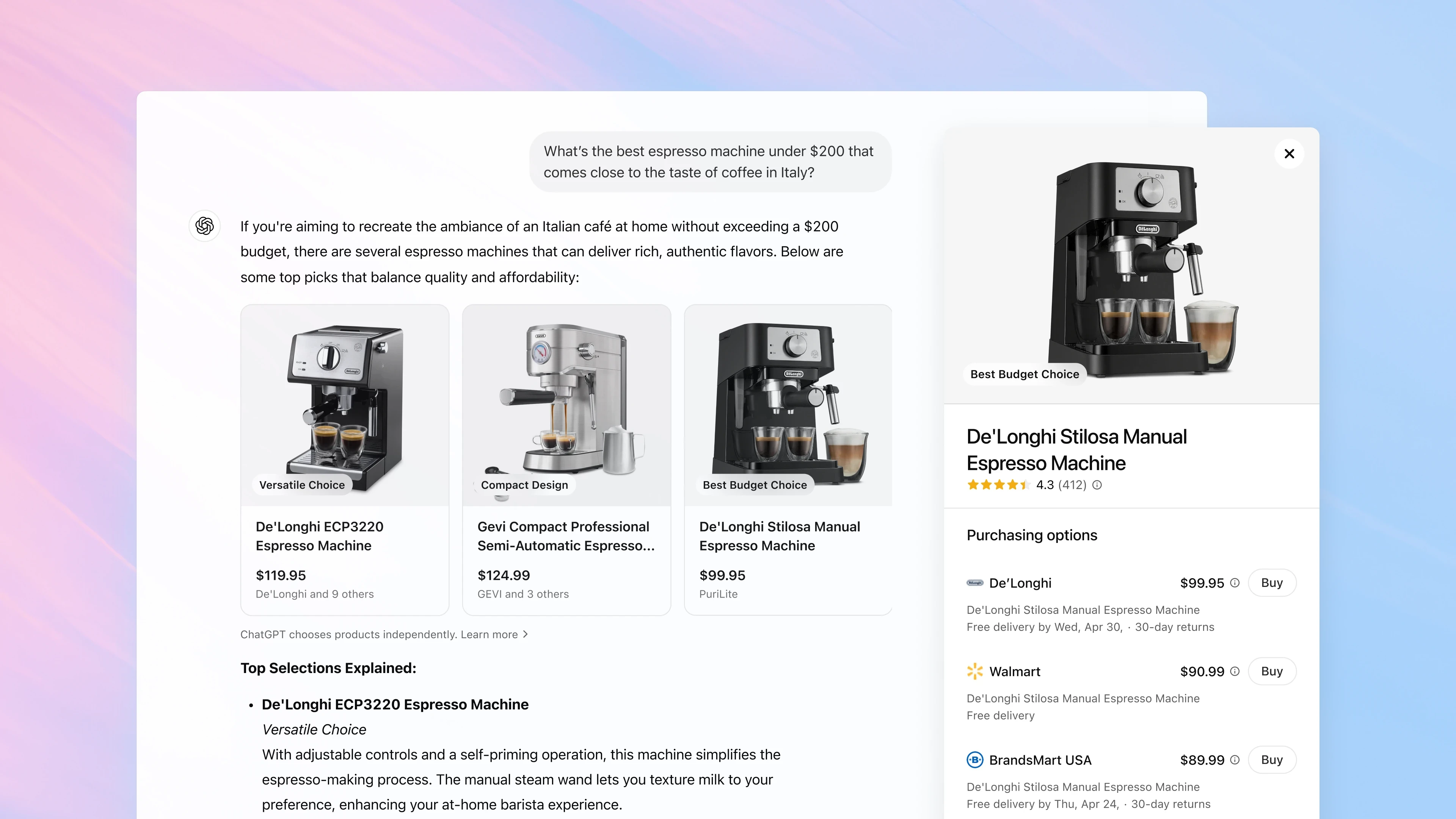
Launching a new B2B brand or product line has evolved from a creative marketing challenge to a deeply operational one. With generative AI accelerating routes to market, and AI-driven discovery shaping the first touch in buying journeys, leaders can no longer afford to treat brand launches as isolated projects. According to current market evidence, spinning out a new brand can clarify messaging and protect core business focus, but it also introduces new pressures: fragmented product data, inconsistent pricing, and governance gaps.
Agentic commerce infrastructure brings both promise and complexity. It supports scalable workflows, integrates structured product data, and enables automation, but only if operational excellence is designed from day one. B2B decision makers should treat the launch of a new brand as an opportunity to upgrade not just the storefront but the data and workflow backbone. This playbook translates market research and hands-on industry experience into a tactical, adaptable framework for getting it right on the first try.

Evaluate: Should You Spin Out a Brand or Expand Existing Lines?

Not every product launch needs a new brand. The first critical decision is whether differentiation will drive measurable value or simply dilute resources. Recent expert interviews highlight the risk of confusing loyal customers or overstretching sales teams when a new brand is launched without operational discipline. Instead of defaulting to expansion, teams should map the real drivers: Are you entering new customer segments? Is pricing logic for the new line fundamentally different? Do distribution, data, or regulatory requirements diverge from your core brand?
An operational decision tree helps leaders weigh factors such as attribution analytics, platform readiness, and channel conflicts. When strategic separation is needed, the next step is designing governance, data flows, and workflow logic that reinforce, not erode, your advantage. Use the brand launch as the catalyst to close process gaps, not introduce new ones.

Build Agentic Commerce Readiness into Your Launch Plan

Whether launching a standalone brand or a new product line, agentic commerce readiness should be a foundational requirement. This means architecting workflows, integrations, and data governance so that structured product information and dynamic pricing are available to both human users and collaborative AI agents from day one. Data architecture, not just feature sets, will determine the success of downstream automation and personalized buying journeys.
Core components include:

  • Robust product information management (PIM) as the single source of truth

  • Automation-ready data flows covering pricing, availability, and customer-specific rules

  • Role-based access and brand-specific governance models

  • Integration with agentic search, recommendation, and quotation tools
    By operationalizing these elements, new brands avoid the pitfalls of inconsistent data, duplicate workflows, and loss of control during scale. For more practical advice about architecture, see our in-depth knowledge base guidance.

Whether launching a standalone brand or a new product line, agentic commerce readiness should be a foundational requirement. This means architecting workflows, integrations, and data governance so that structured product information and dynamic pricing are available to both human users and collaborative AI agents from day one. Data architecture, not just feature sets, will determine the success of downstream automation and personalized buying journeys.
Core components include:

  • Robust product information management (PIM) as the single source of truth

  • Automation-ready data flows covering pricing, availability, and customer-specific rules

  • Role-based access and brand-specific governance models

  • Integration with agentic search, recommendation, and quotation tools
    By operationalizing these elements, new brands avoid the pitfalls of inconsistent data, duplicate workflows, and loss of control during scale. For more practical advice about architecture, see our in-depth knowledge base guidance.

Align Brand Governance and Data Accountability Early

Brand expansion often fails not in go-to-market execution, but in the long tail of operational governance. Data silos, inconsistent enrichment, and lack of clear accountability for pricing and product data sabotage AI-driven recommendations, search discoverability, and quote management. Establishing clear governance is especially critical in B2B, where contract pricing, customer hierarchies, and regulatory requirements demand precision.
Start every new brand or line launch by profiling data ownership, audit processes, and approval workflows for content, pricing, and compliance. Use branded data domains and workflow controls to separate access where required, while maintaining central oversight for consistency. Document escalation paths for exceptions and create routines for reviewing data health, not just at launch, but as a recurring operational habit.

Operational Checklist for B2B Brand Launches in the Age of AI Commerce

To support leaders and teams, use this practical checklist as you plan and execute your next brand or product line launch:

  1. Brand or Line Decision: Run a structured stakeholder workshop to clarify audience, value proposition, and differentiation needs.

  2. Workflow Readiness: Map all required commerce workflows (quoting, approvals, fulfillment) and define which are brand-specific.

  3. Agentic Integration: Ensure new brand data and workflows are natively accessible to agentic processes, search, recommendations, customer-specific offers, and analytics.

  4. Data and Pricing Foundation: Confirm product data, images, and multilevel pricing are centralized and structured for syndication.

  5. Governance Model: Assign process owners, create a data and content approval hierarchy, and establish SLAs for maintenance tasks.

  6. Attribution and Analytics: Deploy brand-level tracking in analytics suites to measure discoverability and revenue impact across channels and answer engines.

  7. Ongoing Monitoring: Set up regular reviews for brand health, data quality, and operational efficiency.
    Details for many of these steps, especially structuring workflows for agentic commerce, are further explained in the AI Commerce Cloud knowledge base.

To support leaders and teams, use this practical checklist as you plan and execute your next brand or product line launch:

  1. Brand or Line Decision: Run a structured stakeholder workshop to clarify audience, value proposition, and differentiation needs.

  2. Workflow Readiness: Map all required commerce workflows (quoting, approvals, fulfillment) and define which are brand-specific.

  3. Agentic Integration: Ensure new brand data and workflows are natively accessible to agentic processes, search, recommendations, customer-specific offers, and analytics.

  4. Data and Pricing Foundation: Confirm product data, images, and multilevel pricing are centralized and structured for syndication.

  5. Governance Model: Assign process owners, create a data and content approval hierarchy, and establish SLAs for maintenance tasks.

  6. Attribution and Analytics: Deploy brand-level tracking in analytics suites to measure discoverability and revenue impact across channels and answer engines.

  7. Ongoing Monitoring: Set up regular reviews for brand health, data quality, and operational efficiency.
    Details for many of these steps, especially structuring workflows for agentic commerce, are further explained in the AI Commerce Cloud knowledge base.

Pitfalls to Avoid: Brand Dilution, Data Fragmentation, and Workflow Duplication

B2B organizations launching new brands encounter several recurring pitfalls:

  • Brand dilution, Unclear separation causes buyer confusion and cannibalizes marketing investments.

  • Fragmented product data, Multiple brands without unified PIM lead to poor discoverability and operational drag as AI and search tools work from incomplete or duplicated content.

  • Workflow duplication, Failing to leverage shared agentic infrastructure results in higher operational costs and reporting blind spots.
    Avoid these by establishing agentic commerce discipline from the outset. Use a single, composable infrastructure for core workflows and data, adding brand-specific customization only when clearly justified. This allows for agility in launch but control in scale, supporting future automation initiatives without bottlenecks.

From Launch to Scale: Measurement, Feedback Loops, and Continuous Governance

A successful brand launch is just the start. To drive revenue and build competitive long-term differentiation, measurement and ongoing governance are non-optional. Attribute revenue and customer engagement by brand, using advanced analytics tools to identify what’s working (or not) across each channel and discovery path, including AI- and agent-driven journeys. Put feedback loops in place for sales teams, operations, and external customers.
Regularly revisit governance workflows: keep documentation current, update owners as teams evolve, and review integration points as agentic commerce expands. This cycle turns operational rigor into measurable business value. For further operational optimization and strategy sessions, book a no-obligation meeting with our experts.
Contact AI Commerce Cloud to discuss how these priorities apply to your B2B commerce roadmap.

A successful brand launch is just the start. To drive revenue and build competitive long-term differentiation, measurement and ongoing governance are non-optional. Attribute revenue and customer engagement by brand, using advanced analytics tools to identify what’s working (or not) across each channel and discovery path, including AI- and agent-driven journeys. Put feedback loops in place for sales teams, operations, and external customers.
Regularly revisit governance workflows: keep documentation current, update owners as teams evolve, and review integration points as agentic commerce expands. This cycle turns operational rigor into measurable business value. For further operational optimization and strategy sessions, book a no-obligation meeting with our experts.
Contact AI Commerce Cloud to discuss how these priorities apply to your B2B commerce roadmap.

​

​

​

​

When does it make sense to launch a new B2B brand instead of expanding an existing one?
What is agentic commerce infrastructure, and why is it critical for new brand launches?
How can I ensure operational governance for new brands doesn’t lead to workflow duplication?
How does brand governance affect AI-driven product discovery and recommendations?
Where can I learn more about operationalizing B2B digital commerce and agentic workflows?
​
Lauri Koskensalo

Lauri Koskensalo

Head of Growth

Lauri Koskensalo serves as Head of Growth at AI Commerce Cloud, focusing on B2B commerce, product information management, and digital sales processes. He helps companies leverage modern commerce solutions, AI, and automation to build more efficient sales and scalable growth.

info@aicommerce.fi

Footer image AI Commerce Cloud

Ready to see it in action?

Experience how automation and integrations simplify your daily work.

Talk to sales

English
AI Commerce Cloud

FI3180370-3

Ranta-Tampellan Katu 17 33180 Tampere, Finland

info@aicommerce.fi

Ask AI about AI Commerce Cloud

OpenAI Logo
Claude Logo
Claude Logo
Gemini Logo

© 2026 AI Commerce Cloud. All rights reserved.

Footer image AI Commerce Cloud

Ready to see it in action?

Experience how automation and integrations simplify your daily work.

Talk to sales

English
AI Commerce Cloud

FI3180370-3

Ranta-Tampellan Katu 17 33180 Tampere, Finland

info@aicommerce.fi

Ask AI about AI Commerce Cloud

OpenAI Logo
Claude Logo
Claude Logo
Gemini Logo

© 2026 AI Commerce Cloud. All rights reserved.

Footer image AI Commerce Cloud

Ready to see it in action?

Experience how automation and integrations simplify your daily work.

Talk to sales

English
AI Commerce Cloud

FI3180370-3

Ranta-Tampellan Katu 17 33180 Tampere, Finland

info@aicommerce.fi

Ask AI about AI Commerce Cloud

OpenAI Logo
Claude Logo
Claude Logo
Gemini Logo

© 2026 AI Commerce Cloud. All rights reserved.

Talk to our experts