2026: Product Data Optimization Emerges as the Agentic Commerce Differentiator

2026: Product Data Optimization Emerges as the Agentic Commerce Differentiator

2026 market data is clear: B2B commerce leaders prioritize product data optimization as the engine of agentic AI buying journeys and measurable value. This guide links new benchmark evidence to practical steps for product data owners, digital leaders, and commerce teams, outlining the operational ta

2026: Product Data Optimization Emerges as the Agentic Commerce Differentiator

2026: Product Data Optimization Emerges as the Agentic Commerce Differentiator

2026 market data is clear: B2B commerce leaders prioritize product data optimization as the engine of agentic AI buying journeys and measurable value. This guide links new benchmark evidence to practical steps for product data owners, digital leaders, and commerce teams, outlining the operational ta

Lauri Koskensalo
Lauri Koskensalo

Head of Growth

6

min read
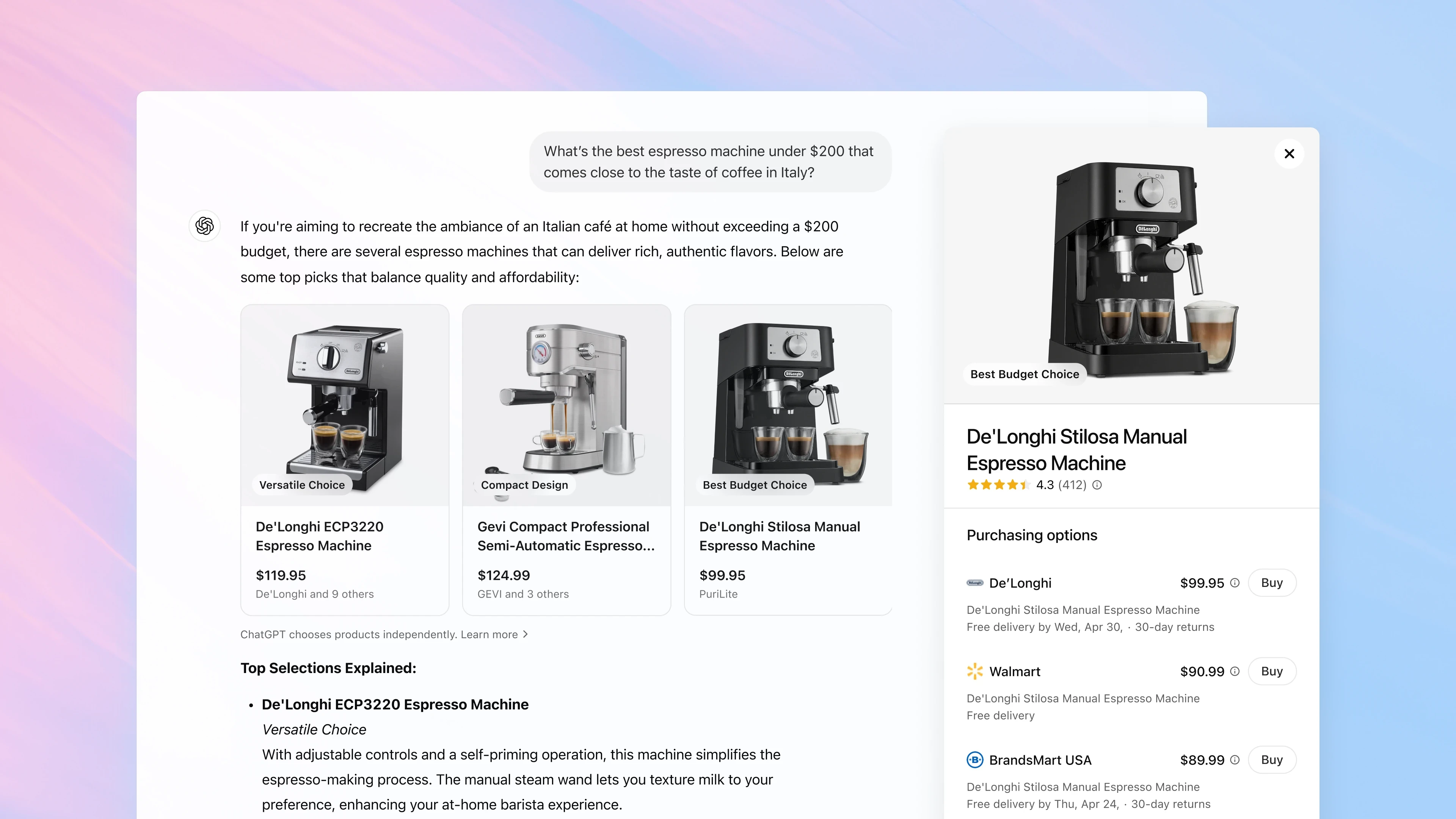
Leading 2026 research from Digital Commerce 360 pinpoints a decisive shift: B2B ecommerce winners no longer see product data quality as a maintenance task, but as the operational core of agentic AI commerce. Benchmarks now link well-structured, AI-ready product information to superior visibility in AI-driven channels, faster buying cycles, and measurable revenue growth. According to Adobe Analytics, site visits originating from AI referrals (including agentic workflows and smart recommendations) now convert at dramatically higher rates and deliver 53% more revenue per visit compared to non-AI sources. For B2B digital commerce, where complexity and configuration demands are the norm, this is a wake-up call: optimizing and governing product data is no longer optional if you want to capture the value of agentic AI and multi-agent buyer journeys.

Why Structured Product Data Powers AI Agents and Automation

Agentic commerce relies on autonomous or semi-autonomous AI agents handling product selection, quote generation, and negotiation tasks for buyers and sellers. For these AI agents to operate reliably, data infrastructure must be robust, consistent, machine-readable product structures, attributes, and logic across ERP, PIM, and commerce platforms. As AI Commerce Cloud’s practical model shows, building consistent definitions for categories, variants, pricing tiers, and complex configurations becomes foundational. The absence of structured data isn’t just a technical risk: new market rankings indicate businesses with poor product data see up to 70% longer deal cycles and are routinely outperformed by agentic competitors in both search and procurement workflows. Structured product data isn’t just about “AI features”, it is the substrate for trustworthy, scalable automation in every high-value B2B workflow.

Benchmark Evidence: Winners Build AI-Ready Product Data, Not Just SEO-Friendly Pages

The latest commerce rankings (Digital Commerce 360, July 2026) reveal a pattern: top performers have invested in systematized, fully-governed product data management. Automation is layered incrementally, starting with standardized product attributes, rich descriptions, and machine-readable relationships that power both conventional ecommerce journeys and AI agents simultaneously. Adobe’s 2026 data emphasizes that AI-driven site traffic (including product discovery via agentic search and recommendation engines) directly correlates with higher sales and repeat transactions. Leading B2B organizations now treat product information management as a core strategic discipline, not an afterthought for SEO or catalog maintenance.

Essential Tactics: Operationalizing Product Data for Agentic AI Commerce

What separates B2B teams thriving in agentic AI commerce from the rest? Workflows that prioritize structured enrichment, consistency, and collaborative validation. High-performing organizations:

  • Map all product attributes, variants, and configuration options to enforce system-wide standardization

  • Use dedicated workflows for continuous enrichment (manufacturer data, datasheets, multilingual content)

  • Validate pricing, availability, and customer-specific logic before exposing data to AI agents or automation

  • Layer change approvals and audit trails to protect against accidental data drift
    Incremental automation, such as AI-powered description generation or CSV-driven bulk updates, accelerates these steps without removing governance. See AI Commerce Cloud Knowledge Base for workflow examples and best-practice checklists.

What separates B2B teams thriving in agentic AI commerce from the rest? Workflows that prioritize structured enrichment, consistency, and collaborative validation. High-performing organizations:

  • Map all product attributes, variants, and configuration options to enforce system-wide standardization

  • Use dedicated workflows for continuous enrichment (manufacturer data, datasheets, multilingual content)

  • Validate pricing, availability, and customer-specific logic before exposing data to AI agents or automation

  • Layer change approvals and audit trails to protect against accidental data drift
    Incremental automation, such as AI-powered description generation or CSV-driven bulk updates, accelerates these steps without removing governance. See AI Commerce Cloud Knowledge Base for workflow examples and best-practice checklists.

Incremental Automation Patterns: Safe Steps Toward Agentic Value

Agentic commerce is not an overnight transformation. 2026 leaders pursue a staged approach: first, building out structured product data; next, adopting AI-driven enrichment tools and automated customer-specific pricing; finally, integrating agent-enabled product discovery and RFQ workflows. Practical patterns include:

  • Using AI to spot missing attributes or incomplete bundles, then proposing corrections for human review

  • Automating translation of product content for new markets, with post-editing controls

  • Enabling agentic recommendation systems by linking validated attribute data to customer personas and buying roles
    Each stage should be governed by clear controls, with human accountability, as the market has shown that careless automation can introduce costly errors in B2B environments.

Measurement: Proving Value From AI-Optimized Product Data

2026 benchmarks now provide a business case: B2B teams that operationalize AI-ready product data see faster onboarding for new categories, improved win rates in RFQ-driven deals, and measurable revenue per visit gains compared to static product libraries. Adobe’s data points to a 62% year-over-year increase in traffic from AI channels combined with higher average order values. B2B leaders report lower return and credit rates, thanks to improved data accuracy and customer self-service, outcomes now directly linked to their product data maturity.
For actionable ways to analyze your current readiness, consult the AI Commerce Cloud Knowledge Base, which details how to measure attribute completeness, variant depth, and data change velocity.

2026 benchmarks now provide a business case: B2B teams that operationalize AI-ready product data see faster onboarding for new categories, improved win rates in RFQ-driven deals, and measurable revenue per visit gains compared to static product libraries. Adobe’s data points to a 62% year-over-year increase in traffic from AI channels combined with higher average order values. B2B leaders report lower return and credit rates, thanks to improved data accuracy and customer self-service, outcomes now directly linked to their product data maturity.
For actionable ways to analyze your current readiness, consult the AI Commerce Cloud Knowledge Base, which details how to measure attribute completeness, variant depth, and data change velocity.

Checklist: Immediate Steps for Product Data Owners and Digital Leaders

Product Data Optimization Readiness in Five Steps:

  1. Map your critical product attributes: Ensure all offerings, variants, and configurable elements have clear, machine-readable properties.

  2. Standardize enrichment workflows: Supplement every item with manufacturer data, technical documentation, and multilingual content.

  3. Implement validation gates: Review attributes, pricing, and configurations before release to any AI-driven process.

  4. Enable rapid bulk updates: Use CSV or API workflows for controlled, large-scale data amendments without manual re-entry.

  5. Invest in incremental automation: Adopt AI tools for enrichment, translation, and basic data hygiene, always underpinned by robust governance.

Get Started: Benchmark Your Data and Build the Foundation for Agentic AI Commerce

2026 is the year that product data quality became a strategic differentiator for B2B digital commerce. Whether you are just starting your cleanup or scaling toward automated, agent-driven buying journeys, the evidence is conclusive: operationalizing structured, validated product data is the safest, fastest route to agentic commerce value. Ready to benchmark your product data or accelerate your commerce automation? Book a strategy call to review your architecture, workflow maturity, and incremental automation options with our experts.
Contact AI Commerce Cloud to discuss how these priorities apply to your B2B commerce roadmap.

2026 is the year that product data quality became a strategic differentiator for B2B digital commerce. Whether you are just starting your cleanup or scaling toward automated, agent-driven buying journeys, the evidence is conclusive: operationalizing structured, validated product data is the safest, fastest route to agentic commerce value. Ready to benchmark your product data or accelerate your commerce automation? Book a strategy call to review your architecture, workflow maturity, and incremental automation options with our experts.
Contact AI Commerce Cloud to discuss how these priorities apply to your B2B commerce roadmap.

What is agentic AI commerce and how is it different from traditional ecommerce automation?
How can B2B teams safely adopt incremental AI automation without losing governance?
What are the measurable benefits of optimizing product data for AI readiness in B2B?
Where should product data owners begin when operationalizing agentic commerce?
What commercial risks do businesses face if they neglect structured product data for AI commerce?
Lauri Koskensalo

Lauri Koskensalo

Head of Growth

Lauri Koskensalo serves as Head of Growth at AI Commerce Cloud, focusing on B2B commerce, product information management, and digital sales processes. He helps companies leverage modern commerce solutions, AI, and automation to build more efficient sales and scalable growth.

info@aicommerce.fi