Lauri Koskensalo
Head of Growth
6
min read
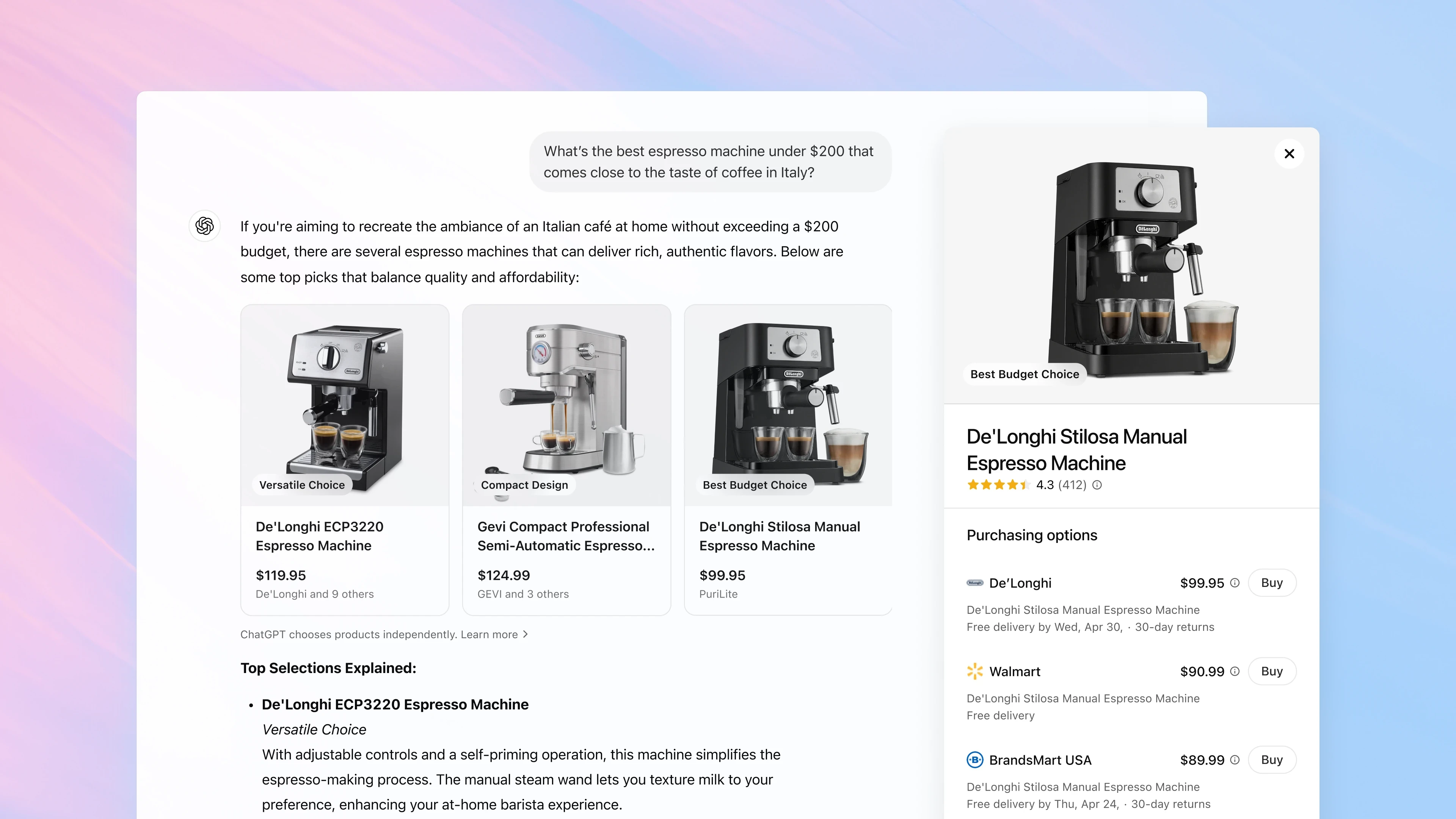
Retail media, placing supplier-sponsored advertising directly within commerce platforms, has rapidly become a profit center in consumer ecommerce. Now, B2B commerce is at an inflection point: manufacturers and distributors can leverage their digital storefronts and curated buyer audiences to monetize attention through native advertising and promotional placements. Unlike traditional ad models, B2B retail media leverages operational product data and workflow integration, enabling contextual, buyer-specific experiences that align with complex sales processes. According to Practical Ecommerce, retail media margins can reach as high as 70 percent, far exceeding typical product margins. As B2B buyers increasingly self-serve online, digital storefronts become not only revenue engines for direct sales, but also platforms for suppliers and partner brands to compete for attention and drive incremental growth. Unlocking this revenue, however, requires far more than simply placing banners or sponsored listings. It demands a strategic rethink of product data, customer segmentation, and workflow orchestration, areas where B2B commerce has unique strengths and challenges.
Why Retail Media Now? Timing, Margins, and the B2B Differential
What makes retail media so compelling for B2B commerce leaders? In the consumer world, merchants have long monetized their shopper traffic by selling advertising space and analytics to their suppliers. But for industrial goods sellers, the equation is even clearer. B2B platforms already host targeted, high-value buyer audiences, deep product information, and negotiated, account-specific pricing. These dynamics position B2B marketplaces and digital storefronts as trusted information hubs, making supplier-funded placements and native ads a natural, high-margin progression.
Retail media also transforms the manufacturer-distributor ecosystem. Instead of simple cost-driven negotiations, distributors facilitate brand visibility, supporting suppliers who want to differentiate and promote their offerings directly to purchasing agents. As highlighted by Practical Ecommerce, the economics are compelling: with operational costs already absorbed, revenue from ad placements or promotional campaigns flows almost directly to the bottom line. With B2B ecommerce margins squeezed by price transparency and competition, retail media offers a scalable, repeatable way to generate new revenue without disrupting existing workflows.
The Data Foundation: Why Structured Product Information Is Essential
Making Commerce Data Retail-Media-Ready: A Playbook for B2B Operations
Operationalizing retail media is not a one-step process, it requires a practical playbook rooted in daily B2B commerce realities. The first step is mapping the digital shelf: unify product hierarchies, attributes, and customer group logic so suppliers understand where and how placements will appear. Next, identify the moments in your buying workflow where retail media can create value: search, category browsing, request-for-quote processes, and even post-purchase touchpoints.
Integrate commerce automation so that booking, serving, and reporting on supplier campaigns is reliable and auditable. AI-driven personalization and recommendation engines, when fed high-quality data, can further increase the relevance and performance of these placements. Finally, set up transparent governance to manage supplier budgets, measure return on investment, and ensure that retail media augments, rather than detracts from, the purchasing experience. B2B organizations can start small: pilot campaigns in high-traffic categories, use insights to refine targeting, and then scale out as operational maturity grows.
Business Models and Revenue Implications: Rethinking the Supplier Relationship
Retail media introduces new business models to B2B commerce. Distributors and marketplaces no longer only profit from product markups, now, they can charge brand manufacturers for on-platform visibility, featured listings, sponsored content, or data analytics. This incremental revenue changes the dynamics of supplier relationships. It aligns distributor incentives to help manufacturers grow category presence, not just fulfill orders. Moreover, the detailed analytics generated by retail media, impressions, clicks, conversions at SKU or buyer level, allow transparent reporting and performance-based fees.
Done well, retail media can move the supplier relationship from contentious price negotiation to collaborative market-building. B2B leaders should approach this model with openness, positioning retail media as a platform for shared growth rather than a hidden tax. As more B2B suppliers expect digital co-marketing opportunities similar to their B2C peers, having a retail-media-ready infrastructure is essential for supplier retention and competitiveness.
Enabling Retail Media with AI Commerce Cloud: The Practical Foundations
Next Steps: Operationalizing Retail Media Without Disrupting Core B2B Sales
Sources
What is retail media in a B2B commerce context?
Why does retail media offer higher margins than traditional product sales?
What are the main data requirements for enabling B2B retail media?
How can retail media be operationalized without disrupting core B2B workflows?
Can small or mid-sized B2B distributors benefit from retail media?
Table of contents
You might also like










Talk to our experts