Why B2B Product Discovery Must Change Now

Why B2B Product Discovery Must Change Now

Semantic and vector search are no longer future bets for B2B commerce, they are raising the bar for product discovery, buyer experience, and revenue impact right now. This playbook gives B2B ecommerce leaders a step-by-step framework to evaluate, implement, and operationalize advanced search

Why B2B Product Discovery Must Change Now

Why B2B Product Discovery Must Change Now

Semantic and vector search are no longer future bets for B2B commerce, they are raising the bar for product discovery, buyer experience, and revenue impact right now. This playbook gives B2B ecommerce leaders a step-by-step framework to evaluate, implement, and operationalize advanced search

Lauri Koskensalo
Lauri Koskensalo

Head of Growth

6

min read
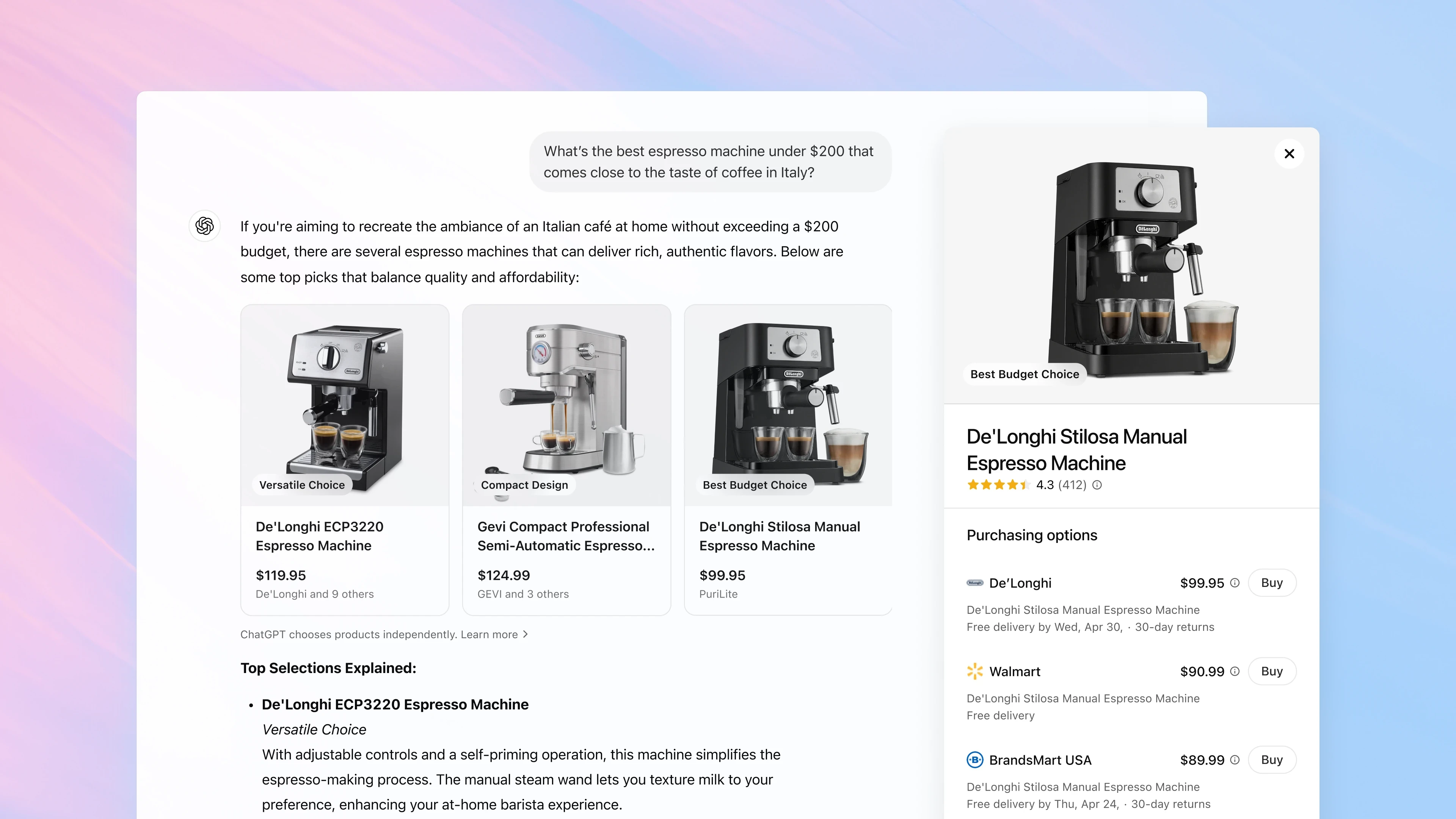
Traditional keyword search has long limited B2B commerce, especially for high-SKU, technical, or configurable catalogs. Buyers struggle to surface the right products due to inconsistent terminology, complex specifications, or layered product hierarchies. Recent research from Digital Commerce 360 and Practical Ecommerce confirms that market leaders now see advanced product discovery as core infrastructure, not just a UX add-on. Semantic and vector search, aided by AI models, enable buyers to use natural language, contextual queries, or industry-specific jargon and still get highly accurate results. In a B2B context, this translates to faster solution research, higher RFP win rates, and fewer costly misorders. Next-generation search isn’t just about incremental convenience; it's becoming a baseline competitive advantage as buyer expectations are shaped by both B2C and sophisticated procurement platforms.

Understanding Semantic and Vector Search in B2B

Semantic search enables the platform to understand the meaning behind queries: buyers can describe problems or functions rather than just keywords. Vector search goes further by using AI-powered embeddings, a mathematical representation of the context, attributes, and specifications of products, allowing for similarity matching, personalization, and flexible discovery. For example: A buyer searching for "low-power IP66 industrial sensor with Modbus" will match relevant items even if the catalog headline never mentions these exact terms. This synergy between structured product data and AI-driven search is especially vital in B2B, where products often have hundreds of technical attributes and customers expect decision support, not just lists of SKUs.

What Makes Semantic and Vector Search Operationally Different

Semantic and vector search require commerce teams to think differently about product data and workflow. Unlike legacy search engines, these models depend on well-structured attributes (dimensions, features, compliance info), rich product descriptions, and ongoing enrichment. Poor data quality or incomplete attributes will undermine results, no matter how advanced the AI. This makes Product Information Management (PIM) and data governance foundational to any successful AI search project. Advanced search also supports multi-modal input (e.g. document uploads, specs, or voice search) and enables personalized recommendations, related items, or customer-specific configuration support inside the search experience. The impact? Not only do buyers find the right results faster, but teams reduce the need for repetitive clarifications and manual quote building.

A Tactical Framework: Assessing Your Readiness

Use the following checklist to guide AI search adoption in your B2B organization this quarter:
Data Foundation:

  • Is your product data normalized (attributes, taxonomies, units, language)?

  • Do you capture the essential technical, performance, and compliance features as structured data?

  • Are you continuously enriching and validating your catalog through centralized PIM workflows?
    Workflow Integration:

  • Can buyers use natural language or descriptive queries (not just SKU/part numbers)?

  • Do your teams have processes to refine, tag, and govern product attributes over time?

  • Is your search engine configurable to support role-based, customer-specific, or contract-driven recommendations?
    Operational Plan:

  • Who owns the AI search roadmap? Can you pilot on a subset before scaling?

  • How will you measure conversion, order accuracy, and quote speed improvements after rollout?
    Leverage this AI Commerce Cloud knowledge base guide for more details on AI search capabilities and best practices.

Use the following checklist to guide AI search adoption in your B2B organization this quarter:
Data Foundation:

  • Is your product data normalized (attributes, taxonomies, units, language)?

  • Do you capture the essential technical, performance, and compliance features as structured data?

  • Are you continuously enriching and validating your catalog through centralized PIM workflows?
    Workflow Integration:

  • Can buyers use natural language or descriptive queries (not just SKU/part numbers)?

  • Do your teams have processes to refine, tag, and govern product attributes over time?

  • Is your search engine configurable to support role-based, customer-specific, or contract-driven recommendations?
    Operational Plan:

  • Who owns the AI search roadmap? Can you pilot on a subset before scaling?

  • How will you measure conversion, order accuracy, and quote speed improvements after rollout?
    Leverage this AI Commerce Cloud knowledge base guide for more details on AI search capabilities and best practices.

Implementation Playbook: Patterns and Pitfalls

Successful adoption of semantic and vector search is not a one-off project, it’s an ongoing collaboration between product owners, ecommerce operations, and IT. Key success patterns include:

  • Starting with high-value product categories or the most complex catalog branches

  • Using your existing PIM platform to enrich data in parallel with AI search rollout

  • Training commercial teams on the new ways buyers can express needs or problems in their own language

  • Implementing feedback loops: continuously monitor low-match or failed searches to identify data gaps or new terminology
    Common pitfalls:

  • Relying on generic, unstructured product descriptions, these will limit AI understanding

  • Treating search as an isolated frontend feature rather than integrating it into quote, customer service, and sales workflows
    Explore integration examples and further advice in our PIM operational guide.

Successful adoption of semantic and vector search is not a one-off project, it’s an ongoing collaboration between product owners, ecommerce operations, and IT. Key success patterns include:

  • Starting with high-value product categories or the most complex catalog branches

  • Using your existing PIM platform to enrich data in parallel with AI search rollout

  • Training commercial teams on the new ways buyers can express needs or problems in their own language

  • Implementing feedback loops: continuously monitor low-match or failed searches to identify data gaps or new terminology
    Common pitfalls:

  • Relying on generic, unstructured product descriptions, these will limit AI understanding

  • Treating search as an isolated frontend feature rather than integrating it into quote, customer service, and sales workflows
    Explore integration examples and further advice in our PIM operational guide.

Business value: Benchmarks, Use Cases, and Buyer Outcomes

Recent market data highlights measurable uplifts from advanced AI search: B2B platforms deploying semantic and vector models have reported 15 to 30% faster quote turnaround, lower return rates, and higher customer satisfaction for complex orders. Key use cases include:

  • Technical product matching for manufacturing, MRO, or wholesale categories

  • Configurable asset selection for industrial or multi-component orders

  • Personalized search and recommendations for role-based B2B buying teams

  • Operational automation: automating bulk order spreadsheet imports into structured search queries
    These outcomes are only possible when search is seen as a business process and data asset, not just a technology stack. As noted in our architecture guide Why Architecture, Not Features, Decides Agentic Commerce Success, measurable value comes from structured data and process alignment, not technical feature checklists.

Recent market data highlights measurable uplifts from advanced AI search: B2B platforms deploying semantic and vector models have reported 15 to 30% faster quote turnaround, lower return rates, and higher customer satisfaction for complex orders. Key use cases include:

  • Technical product matching for manufacturing, MRO, or wholesale categories

  • Configurable asset selection for industrial or multi-component orders

  • Personalized search and recommendations for role-based B2B buying teams

  • Operational automation: automating bulk order spreadsheet imports into structured search queries
    These outcomes are only possible when search is seen as a business process and data asset, not just a technology stack. As noted in our architecture guide Why Architecture, Not Features, Decides Agentic Commerce Success, measurable value comes from structured data and process alignment, not technical feature checklists.

How to Get Started: Next Steps for B2B Teams

Begin by mapping your current search experience and buyer pain points. Engage product, IT, and commercial teams to identify gaps in data quality, attribute coverage, and existing workflows. Plan a pilot that targets high-impact categories or customer groups, measuring before-and-after outcomes. Collaborate closely with your technology partners to ensure that AI search deployment is tightly integrated with both your product data foundation and daily operational routines. For practical implementation support and to see tailored demos, book a session with the AI Commerce Cloud team at https://aicommerce.cloud/fi/demo.
Contact AI Commerce Cloud to discuss how these priorities apply to your B2B commerce roadmap.

Begin by mapping your current search experience and buyer pain points. Engage product, IT, and commercial teams to identify gaps in data quality, attribute coverage, and existing workflows. Plan a pilot that targets high-impact categories or customer groups, measuring before-and-after outcomes. Collaborate closely with your technology partners to ensure that AI search deployment is tightly integrated with both your product data foundation and daily operational routines. For practical implementation support and to see tailored demos, book a session with the AI Commerce Cloud team at https://aicommerce.cloud/fi/demo.
Contact AI Commerce Cloud to discuss how these priorities apply to your B2B commerce roadmap.

What is the difference between semantic and vector search in B2B ecommerce?
Why do structured product data and PIM matter for AI search?
How quickly can B2B teams expect ROI from semantic or vector search?
Can AI search be used beyond just the web store interface?
Where can I find practical examples or operational guidance for deploying AI search in B2B commerce?
Lauri Koskensalo

Lauri Koskensalo

Head of Growth

Lauri Koskensalo serves as Head of Growth at AI Commerce Cloud, focusing on B2B commerce, product information management, and digital sales processes. He helps companies leverage modern commerce solutions, AI, and automation to build more efficient sales and scalable growth.

info@aicommerce.fi