Lauri Koskensalo
Head of Growth
6
min read
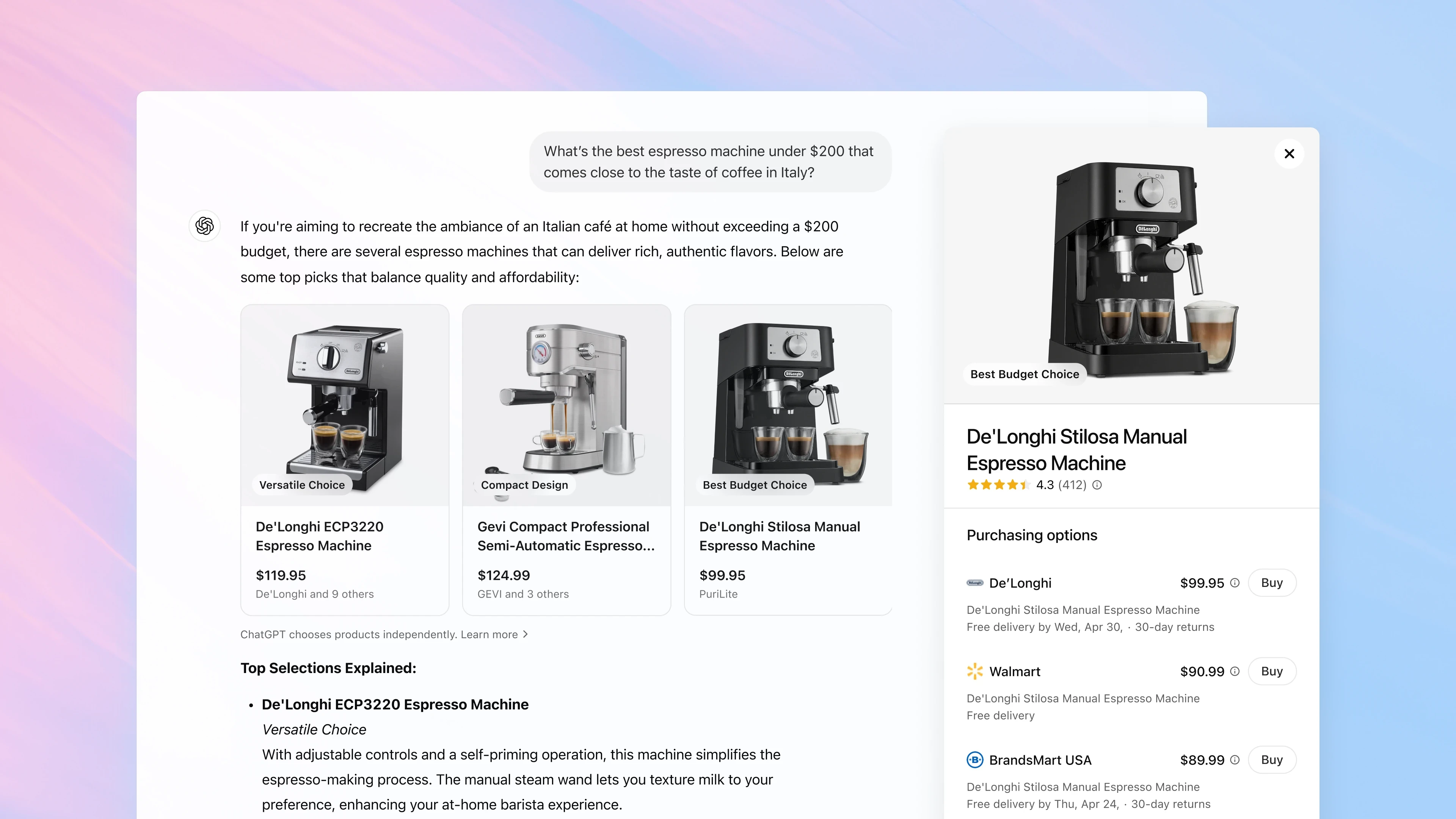
For years, B2B commerce teams focused their defenses on keeping bots out. Now, in agentic commerce, AI buyer agents are not just permitted, they may become key customers, performing high-value, automated purchasing journeys. But as Retail Dive explains, the bot landscape is changing: platforms must be ready to distinguish revenue-driving, authorized AI agents from synthetic, malicious bots designed for scraping, denial-of-inventory attacks, or credential abuse.
Agentic commerce security depends on striking a new balance: enable trusted AI agents to drive automation and growth, but stop bad actors before they inflict cost or reputational harm. This new threat model means authentication and permissioning cannot be an afterthought, instead, they must be actively managed as revenue infrastructure, not merely a compliance process.
B2B leaders who treat every bot as bad risk missing out on new AI-driven sales channels. Conversely, letting through every agent opens doors to fraud. The solution is a structured, data-driven authentication and governance playbook built for agentic workflows.
Defining the Tactical Threat Model for AI Buyers
Not all AI agents are equal. B2B teams must map and classify agent types:
Verified AI Buying Agents: Permissioned by real customers, acting within explicit scopes on their behalf (for bulk ordering, quote retrieval, or recurring procurement).
Partner Ecosystem Agents: API-based, acting on behalf of distributors, integrators, or third-party procurement platforms.
Synthetic Bots/Attackers: Unverified, traffic patterns designed for abuse (credential stuffing, unmetered bulk actions, scraping sensitive data).
A mature agentic commerce platform must operationalize both technical and governance layers:Validate the authentic identity and intent of the requesting agent.
Continuously audit agent activity for anomalous, policy-breaking behavior.
Connect agent access to underlying business objects (customer, organization, real purchasing authority) in structured product and customer data.
This threat model forms the foundation for the practical decision framework outlined below, ensuring you can unlock revenue from capable agents while minimizing operational and reputational risk.
Five-Step Authentication Framework for Agentic Commerce
Governance, Data, and Commercial Workflow Integration
Checklist: What B2B Teams Need for AI Agent Authentication
Use this tactical checklist with your IT and commerce leads:
Inventory all agent entry points (APIs, integration hubs, customer-facing endpoints)
Require identity and intent disclosure at registration for every agent
Enforce customer consent workflows and allow revocation at any time
Segregate agent credentials, never reuse human or legacy API credentials
Implement rate limits and transaction monitoring tailored to B2B norms
Integrate audit logs with incident response and reconciliation processes
Adopting this checklist is not a one-off project, it’s an ongoing maturity journey. It impacts technology, governance, and customer trust. If your team can answer ‘yes’ to each item, you’re positioned to defend value and unlock new AI commerce revenue channels.
Practical Example: Allow-Listing Good Bots Without Sacrificing Revenue
Next Steps: Operationalizing Secure Agentic Commerce
Sources
What makes agentic commerce security different from classic bot protection?
How can I ensure customer data is only accessible to authorized AI agents?
What operational controls are most critical when launching agentic commerce?
Can these authentication principles work for both API-based and conversational AI agents?
Where can I find more detailed technical or process documentation?
Table of contents
You might also like









Talk to our experts